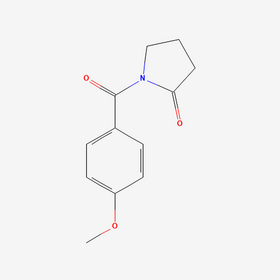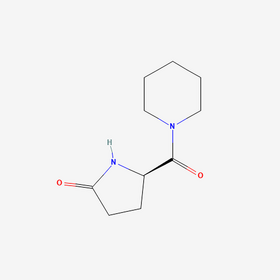

Coluracetam (CAS 135463-81-9) is supplied by Rexar as a research-grade chemical reference material for analytical chemistry, structural verification and laboratory comparison workflows. This compound is provided exclusively for controlled research environments requiring confirmed chemical identity, reproducible analytical behaviour and consistent documentation standards.
Research-grade material distributed by Rexar within the European Union.
Coluracetam is available directly through the Rexar webshop and supplied in sealed laboratory packaging for distribution within the European Union.
Rexar Technical Compound Datasheet (PDF)
Documentation: View the SDS and Technical Datasheet for this product, or browse our Technical Documentation library.
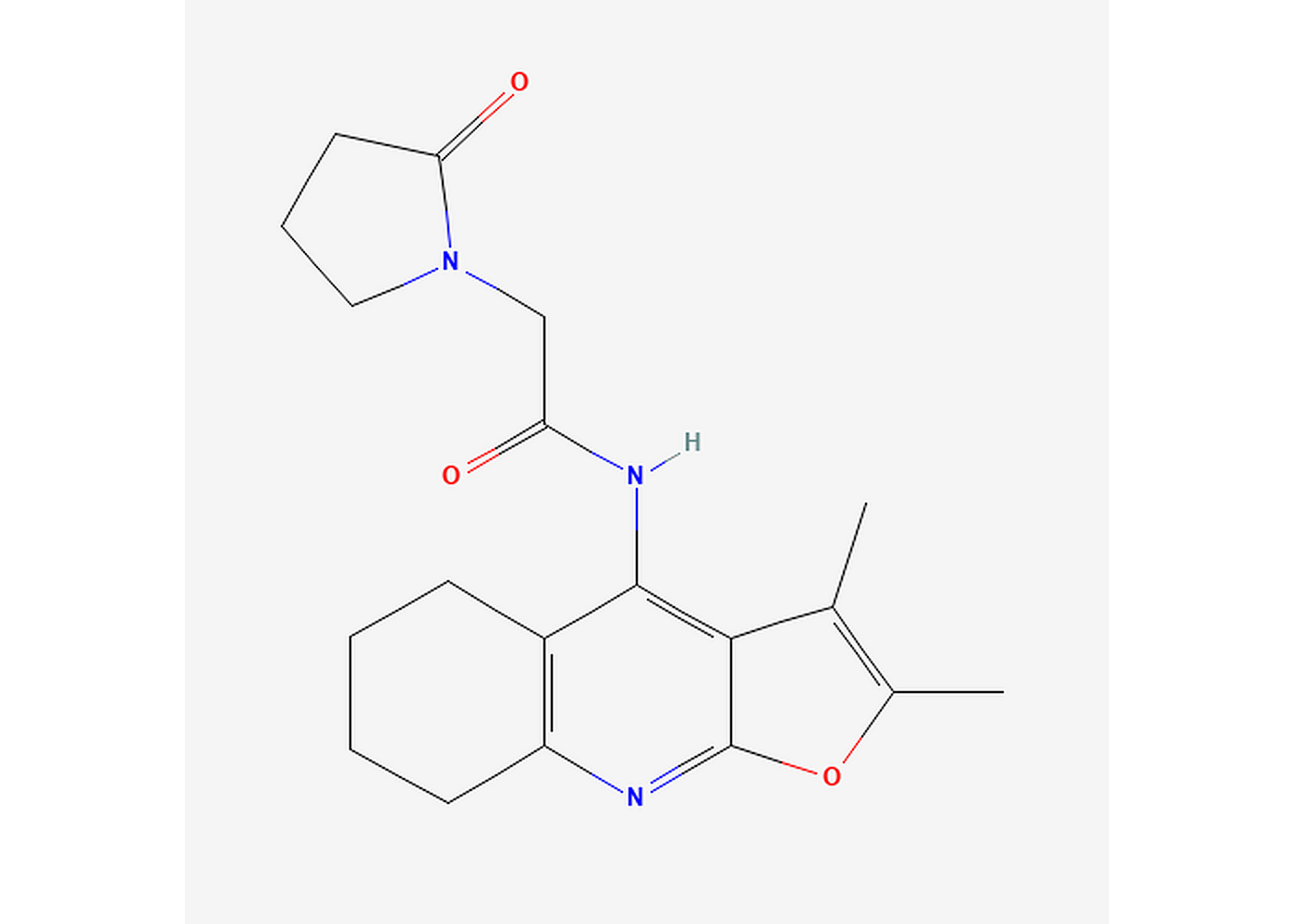
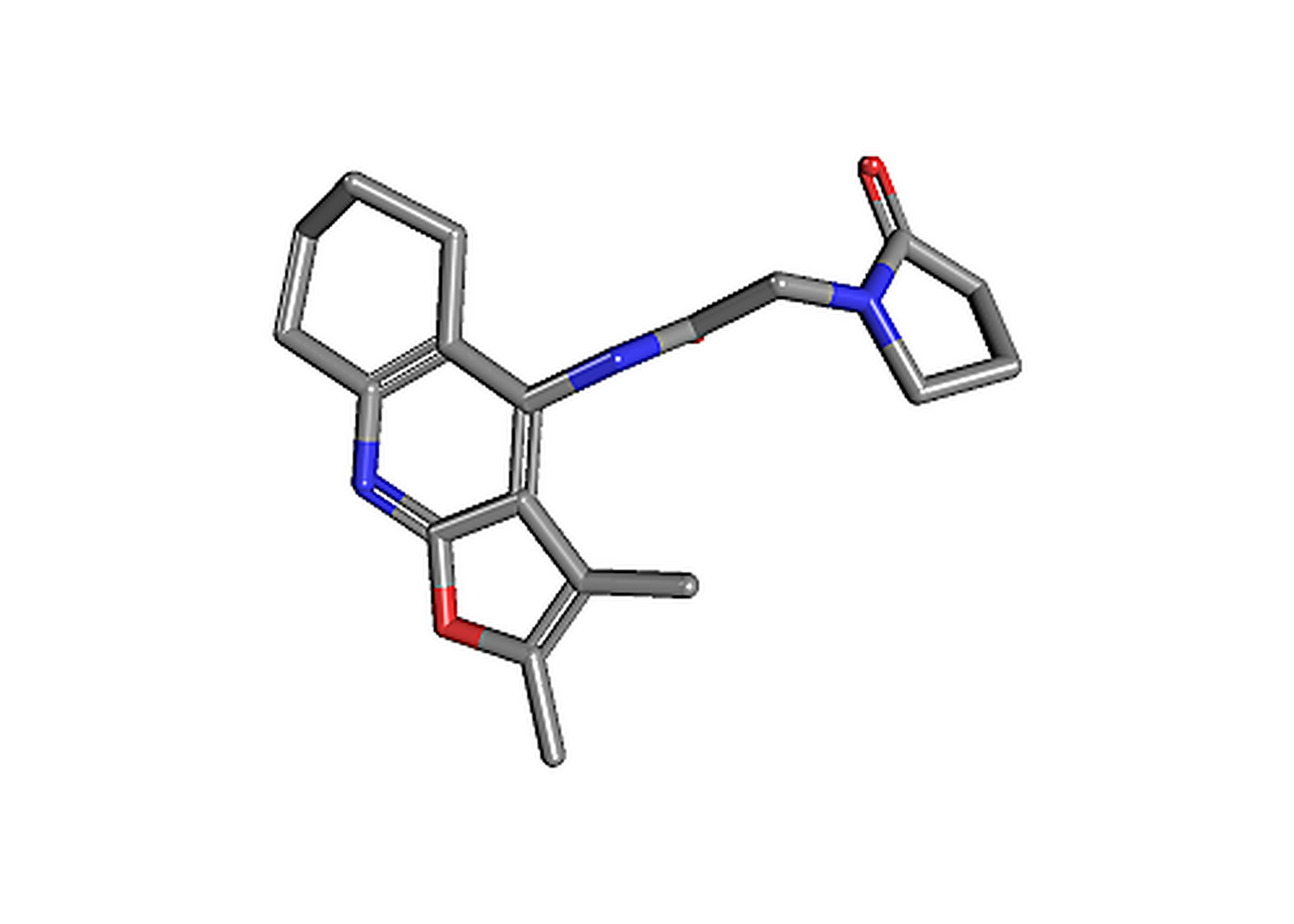
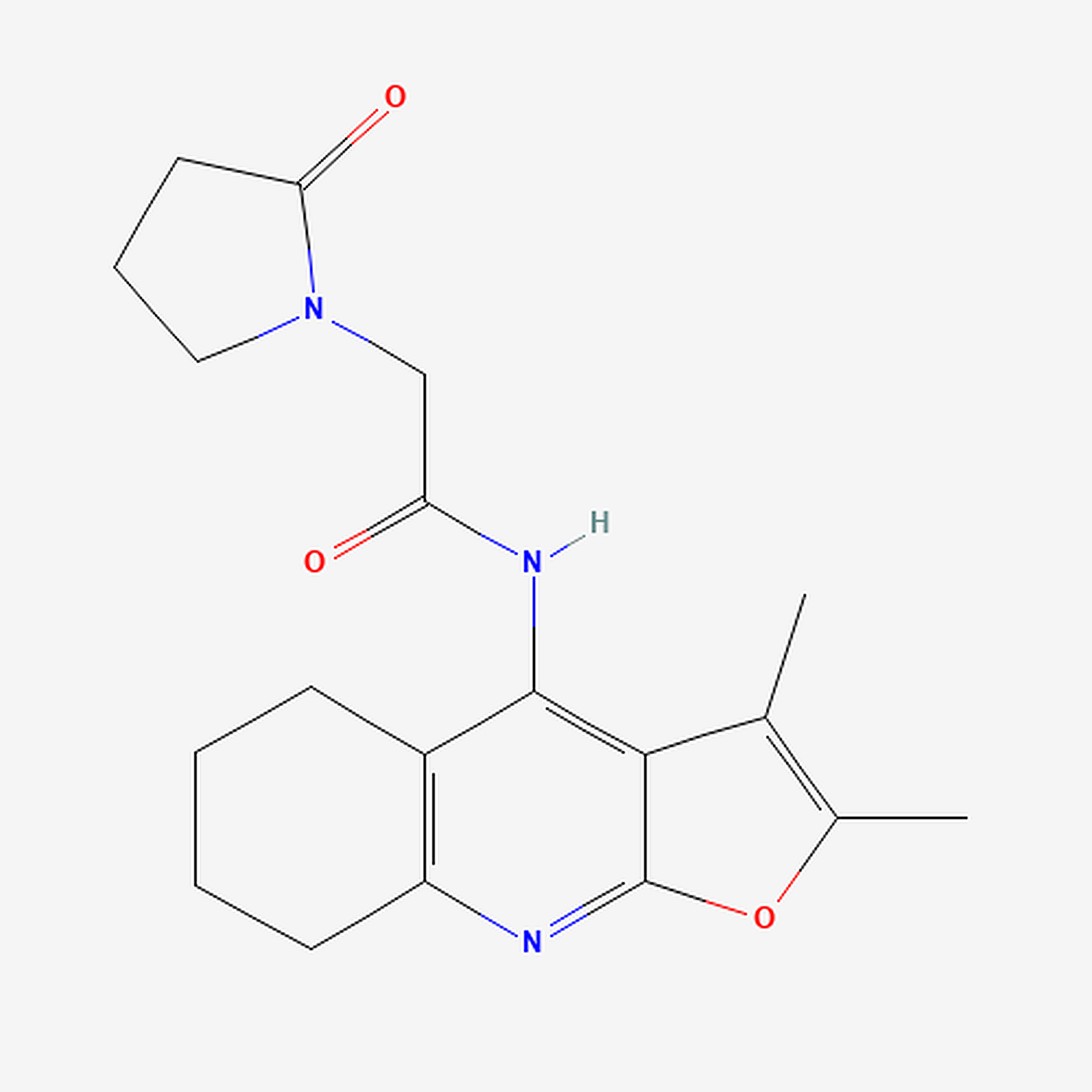
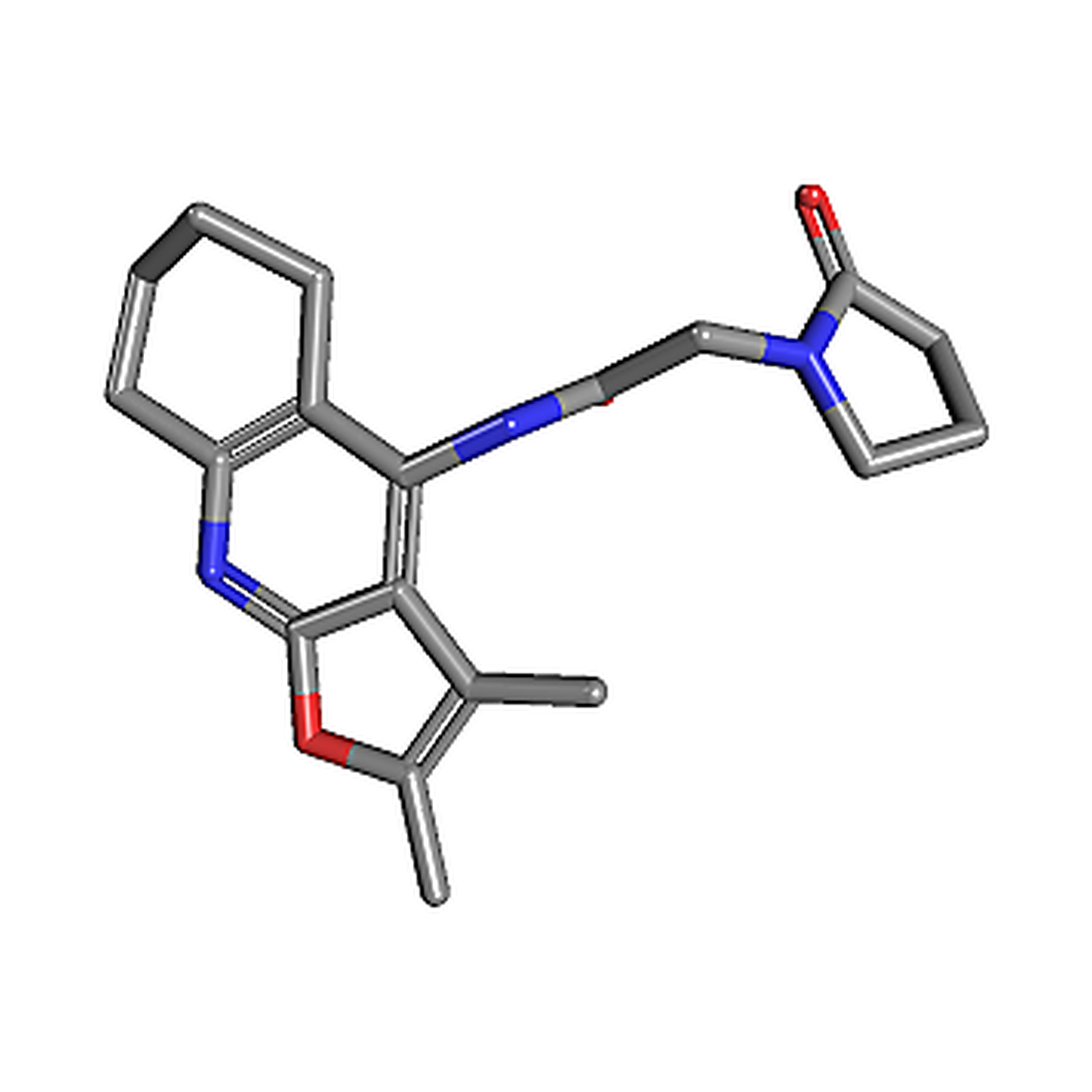
Coluracetam is a synthetic compound belonging to the racetam family of molecules, characterized by the presence of a pyrrolidone core structure. The compound contains a substituted 2-pyrrolidone ring combined with aromatic and aliphatic structural elements that contribute to defined physicochemical and spectroscopic properties.
The molecular architecture includes an aromatic ring system and a polar amide functionality. This combination of polar and hydrophobic regions influences chromatographic behaviour and solubility properties under laboratory conditions.
Racetam derivatives are characterized by a 2-oxo-pyrrolidine core structure. Structural diversity within this class arises through substitution at the nitrogen atom or through modifications of side chains attached to the pyrrolidone ring.
These structural modifications alter physicochemical properties such as polarity, hydrophobicity and chromatographic retention, while the fundamental lactam core remains preserved.
Coluracetam contains several functional groups relevant to analytical chemistry:
The lactam carbonyl group typically produces characteristic absorption bands in infrared spectroscopy, while the aromatic ring provides recognizable vibration signals and UV absorption bands.
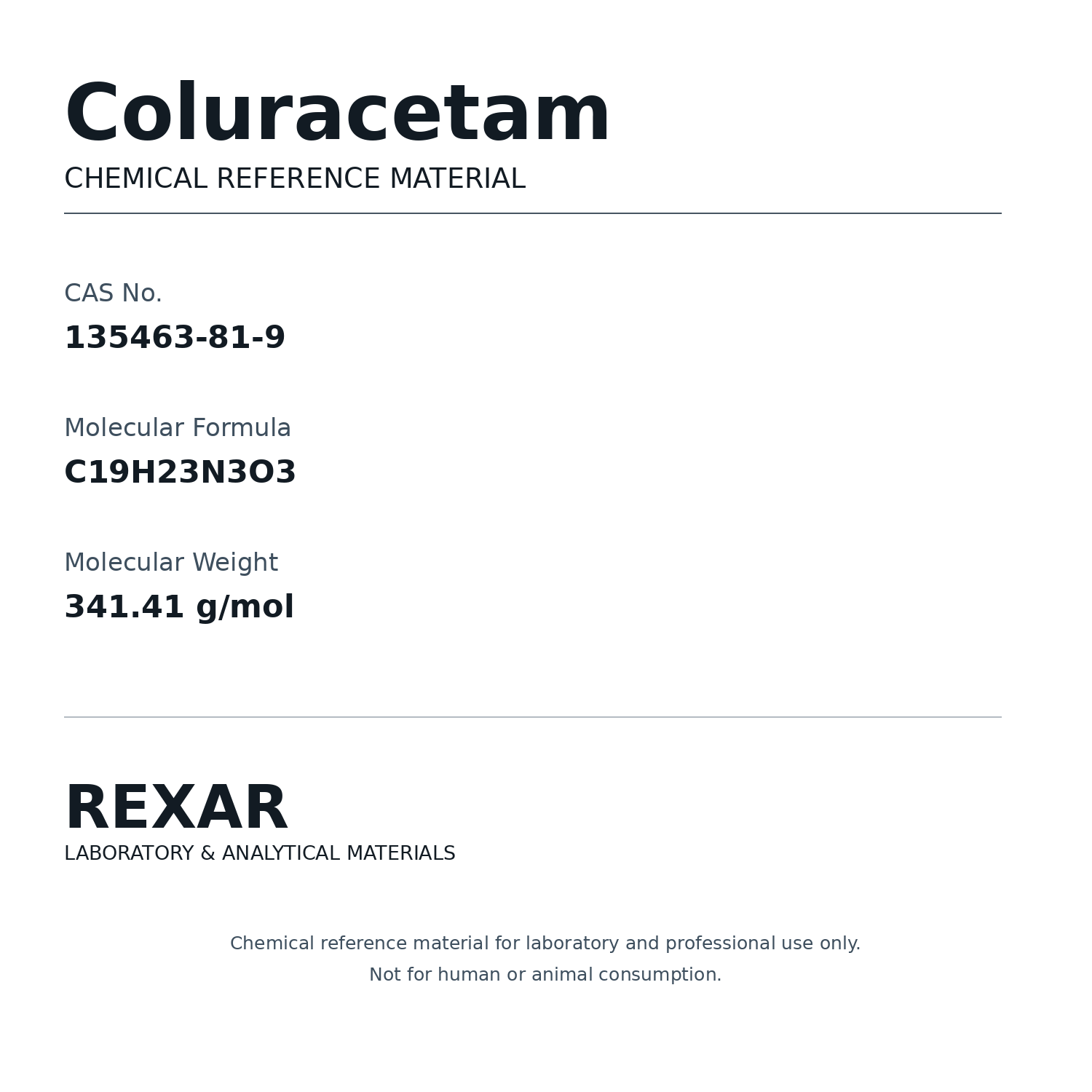
The molecular formula C19H23N3O3 reflects a balance between aromatic and aliphatic components. The aromatic system supports π-electron delocalisation, while the amide functionality allows polar interactions.
This distribution influences both spectroscopic behaviour and chromatographic interaction with stationary phases used in analytical separation techniques.
NMR spectroscopy: Proton NMR spectra typically display aromatic proton signals together with aliphatic resonances from the side chains and the pyrrolidone ring. Carbon-13 NMR distinguishes aromatic carbons, carbonyl carbons and aliphatic carbon environments.
Infrared spectroscopy: The amide carbonyl stretch generally appears as a strong absorption band, accompanied by aromatic ring signals.
UV-visible spectroscopy: The aromatic portion of the molecule supports π→π* transitions, enabling UV detection in chromatographic systems.
Coluracetam shows defined retention behaviour in reversed-phase chromatographic systems. Aromatic components interact with hydrophobic stationary phases, while polar functional groups may introduce additional interactions depending on the mobile phase.
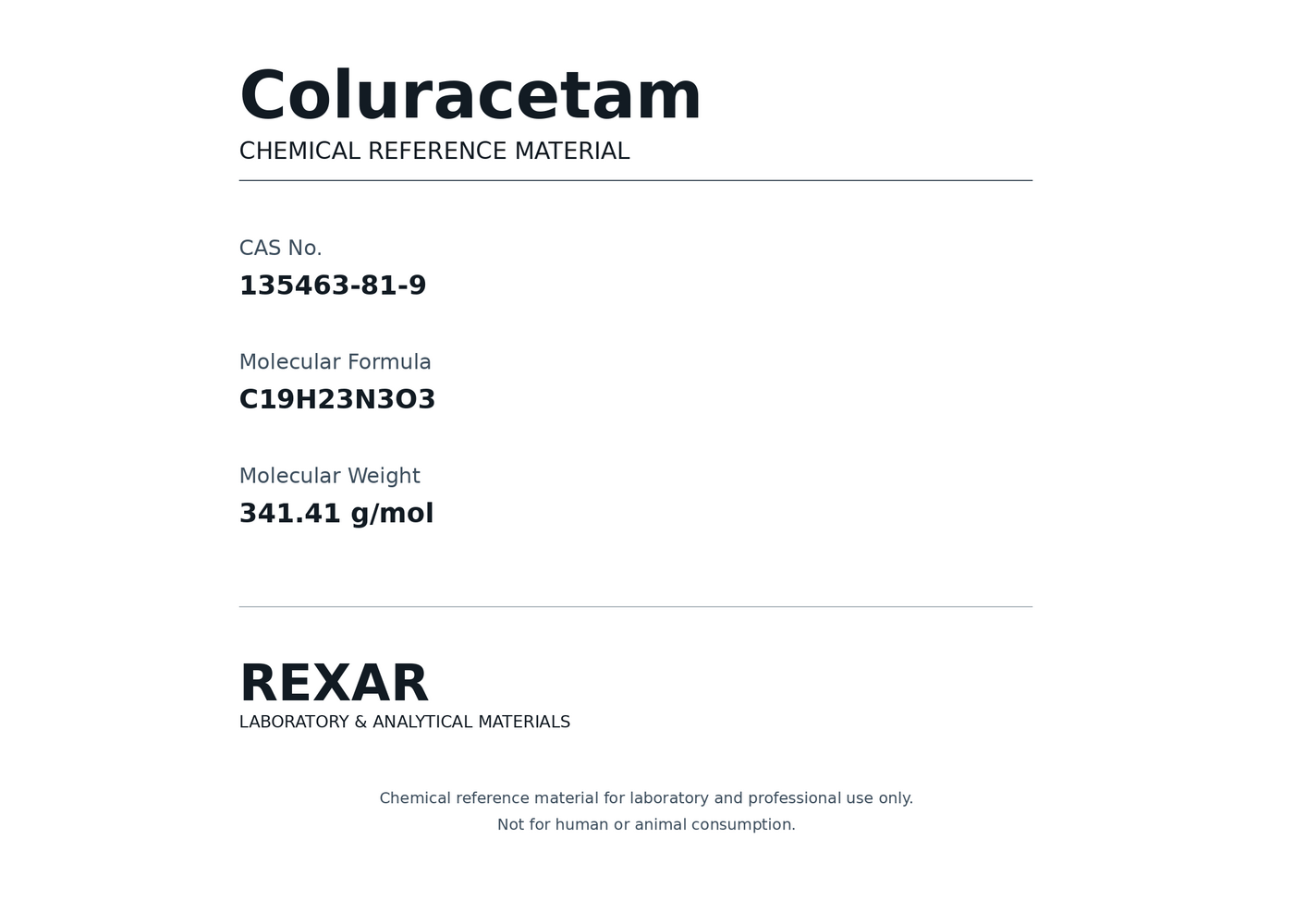
Mass spectrometry confirms a molecular weight of 341.41 g/mol. Fragmentation pathways may include cleavage around the amide bond and within aromatic substituents, supporting structural verification in analytical workflows.
Coluracetam is typically encountered as a white to off-white crystalline powder. Organic crystalline compounds with defined substitution patterns often exhibit stable solid-state behaviour when stored under controlled laboratory conditions.
International chemical databases encode Coluracetam using canonical SMILES strings and InChI identifiers. These machine-readable formats allow accurate digital representation of the molecule within laboratory information systems and research documentation.
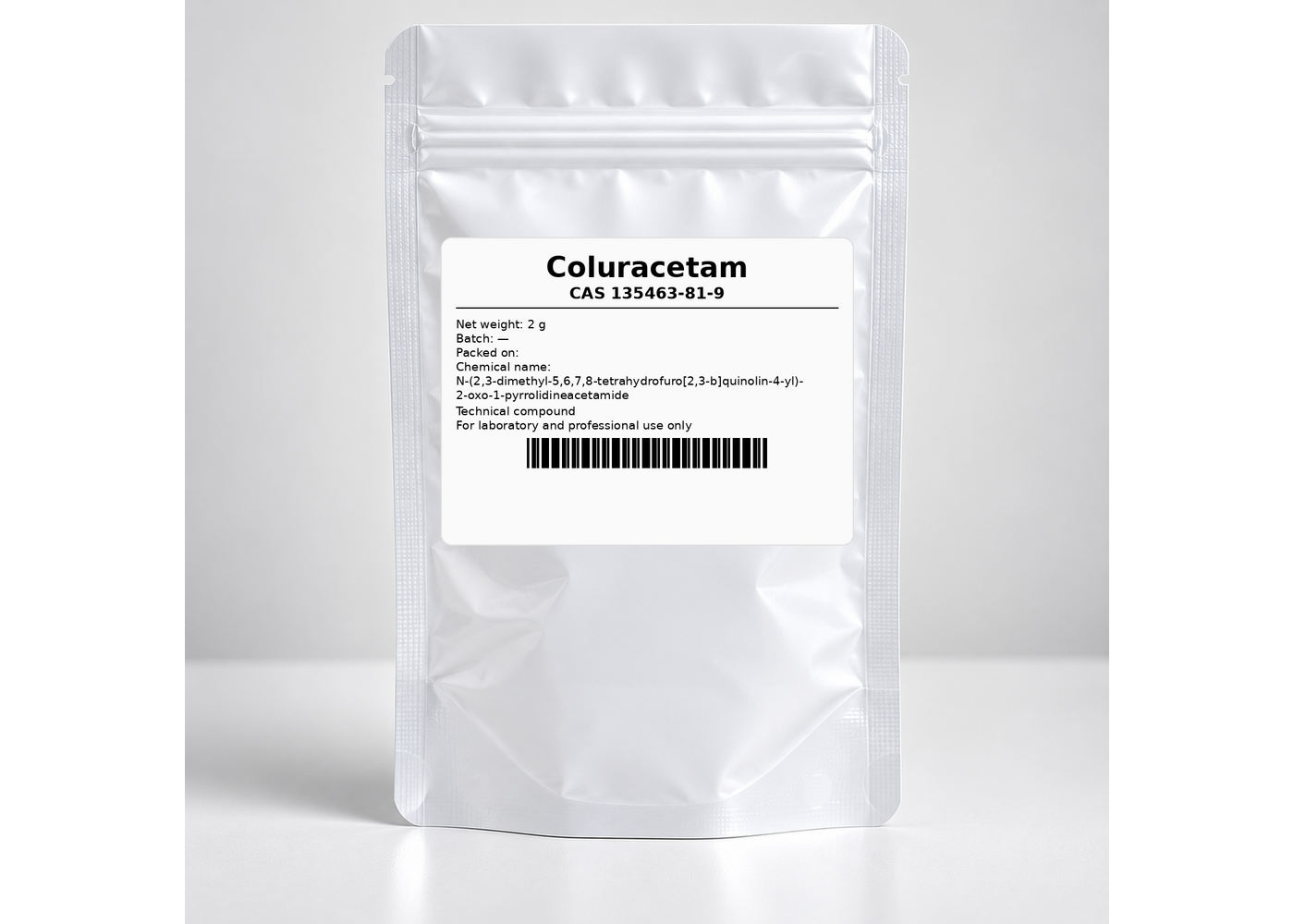
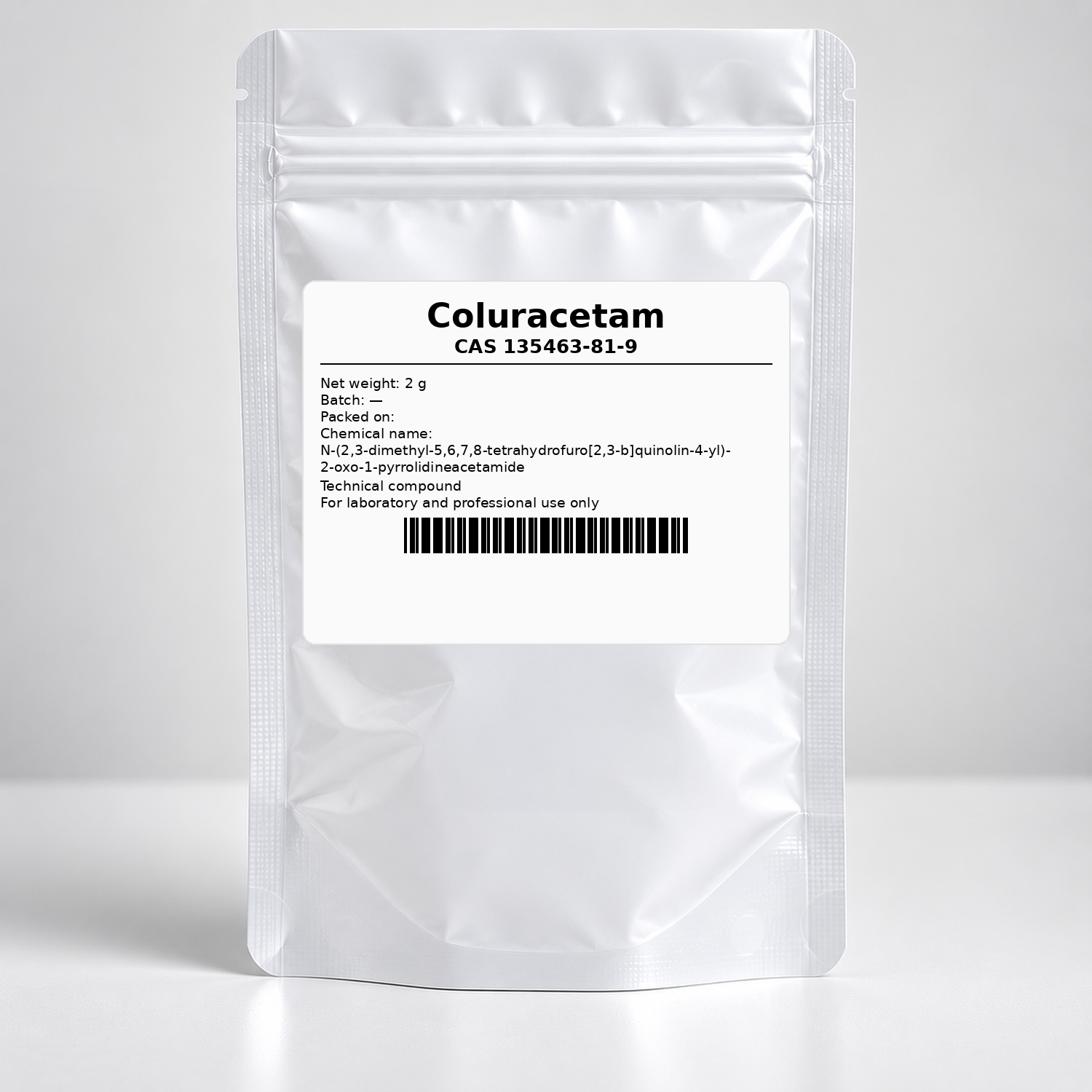
As a research-grade chemical reference material, Coluracetam is supplied in sealed laboratory packaging to maintain integrity during storage and transport. Batch identification supports traceability and laboratory documentation.
What is the CAS number of Coluracetam?
The CAS number of Coluracetam is 135463-81-9.
In what form is Coluracetam supplied?
This product is supplied as a white to off-white crystalline powder in sealed laboratory packaging.
Is this product intended for human or animal use?
No. This material is supplied exclusively as a laboratory reference compound.
Is Coluracetam available for shipment within the EU?
Yes. Orders are supplied through the Rexar webshop in sealed laboratory packaging.
This product is intended for laboratory research use only. It is not intended for human or animal consumption, nor for medical, diagnostic or therapeutic applications. This compound is not intended to diagnose, treat, cure or prevent any disease.
| Intended use: | Laboratory research and analytical reference purposes only |
| Application area: | Analytical chemistry, reference comparison and method development |
| End user: | Professional users in controlled research environments |
| Regulatory classification: | Chemical reference material |