fr
Panier
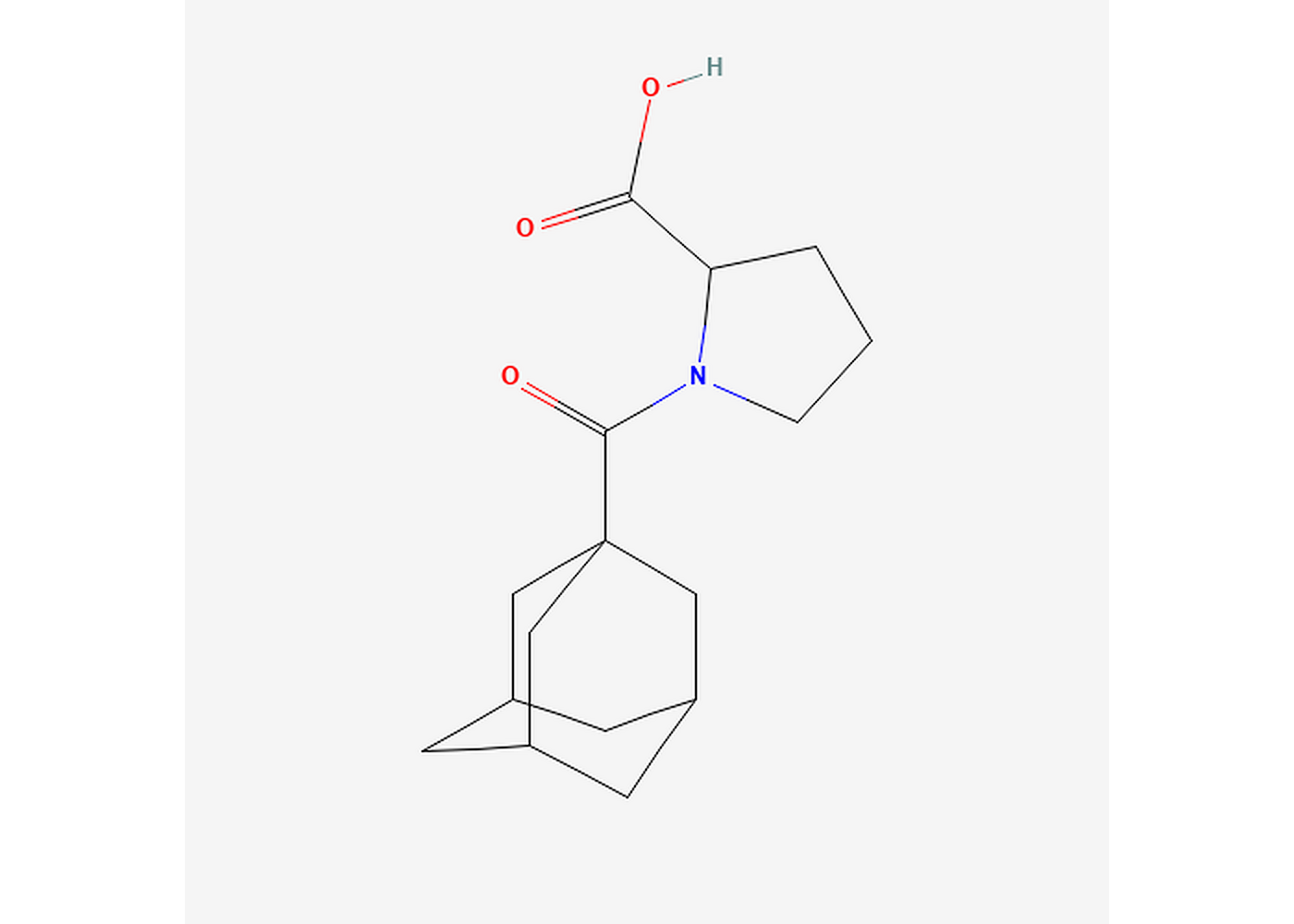
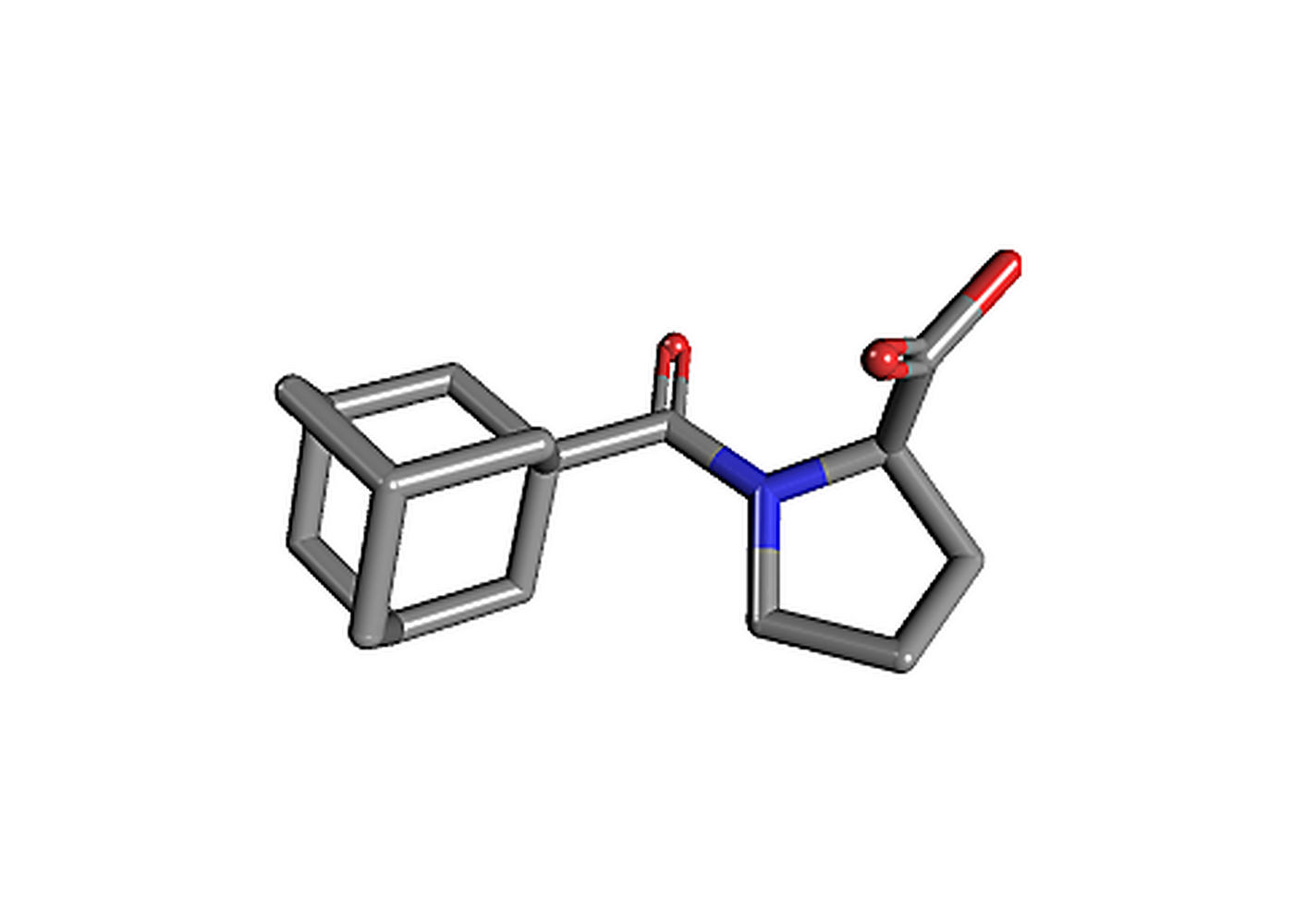
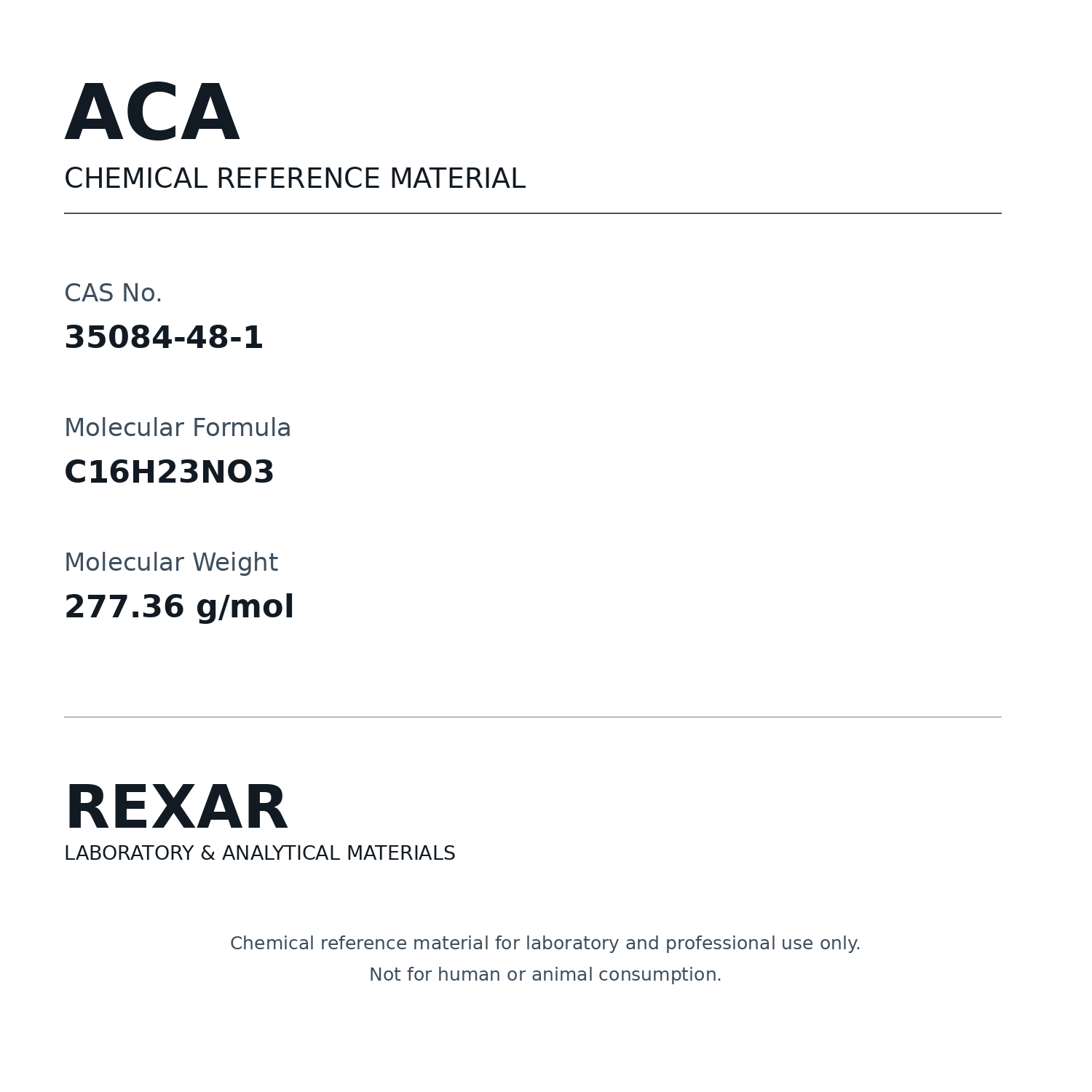
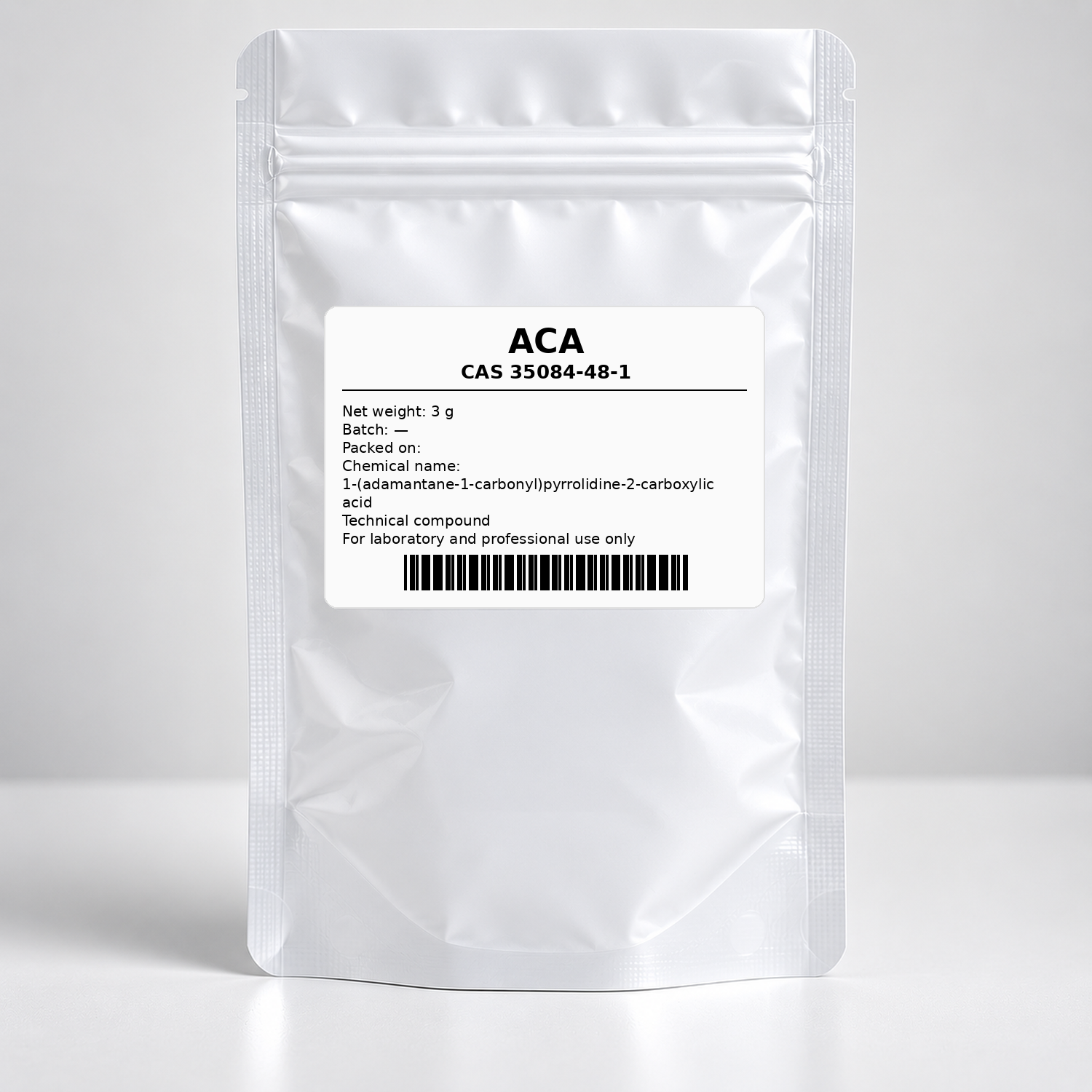

L’ACA (1-(1-Adamantylcarbonyl)proline) est fourni par Rexar en tant que matériau de référence chimique destiné à la chimie analytique, à l’identification de composés et aux procédures comparatives en laboratoire. Ce matériau est destiné exclusivement aux environnements de recherche contrôlés nécessitant une identité chimique vérifiée, une confirmation structurelle et des spécifications de référence cohérentes.
Matériau de qualité recherche distribué par Rexar au sein de l’Union européenne.
L’ACA (CAS 35084-48-1) est disponible directement via la boutique en ligne Rexar et fourni dans un emballage de laboratoire scellé pour une distribution au sein de l’Union européenne. Chaque lot est clairement étiqueté pour assurer la traçabilité interne et l’utilisation comme matériau de référence analytique.
Fiche technique Rexar Technical Compound Datasheet (PDF)
Fiche de données de sécurité (FDS)
Documentation : Consultez la FDS et la fiche technique de ce produit ou parcourez notre Documentation technique.
ACA | CAS : 35084-48-1 | Formule moléculaire : C16H23NO3 | Masse moléculaire : 277,36 g/mol.
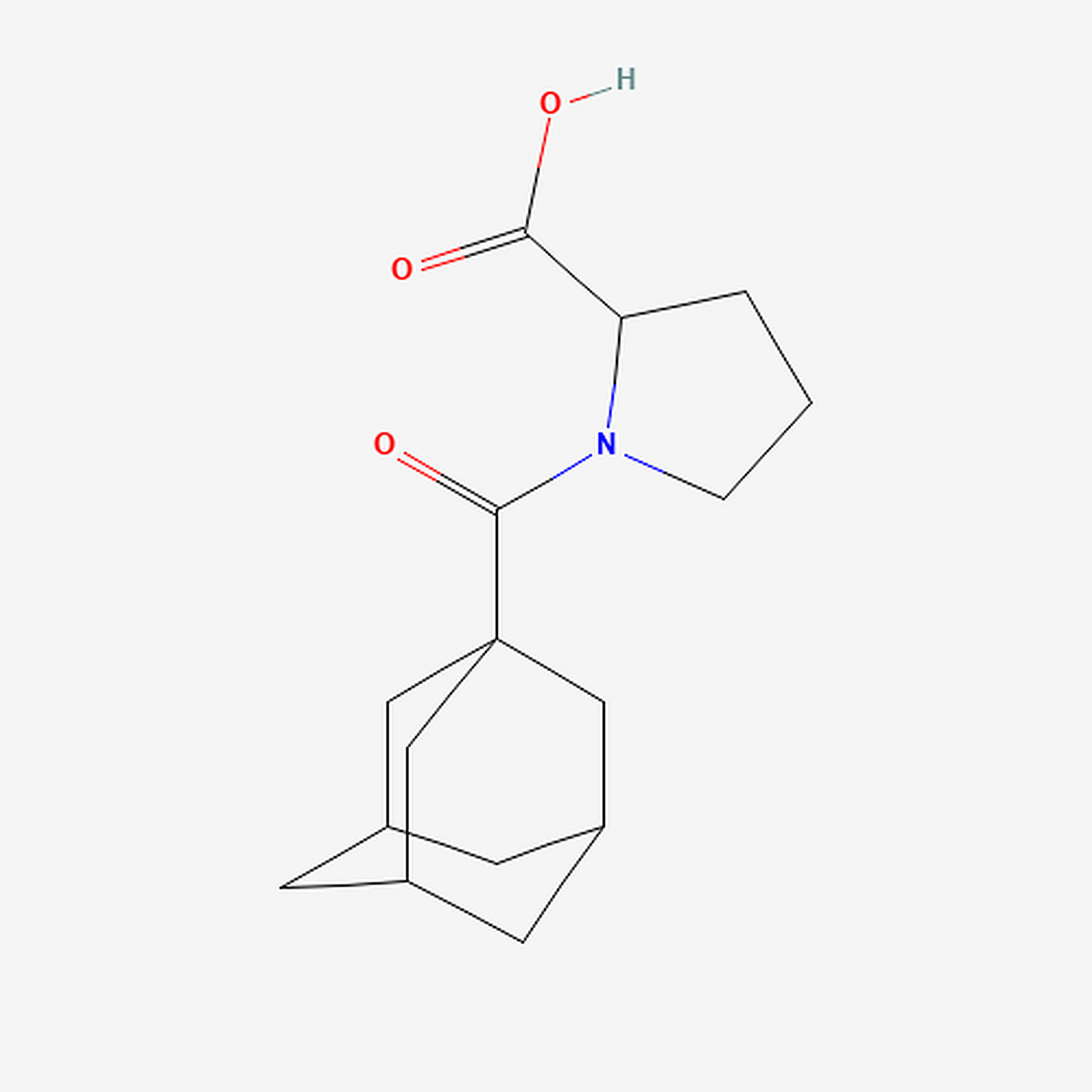
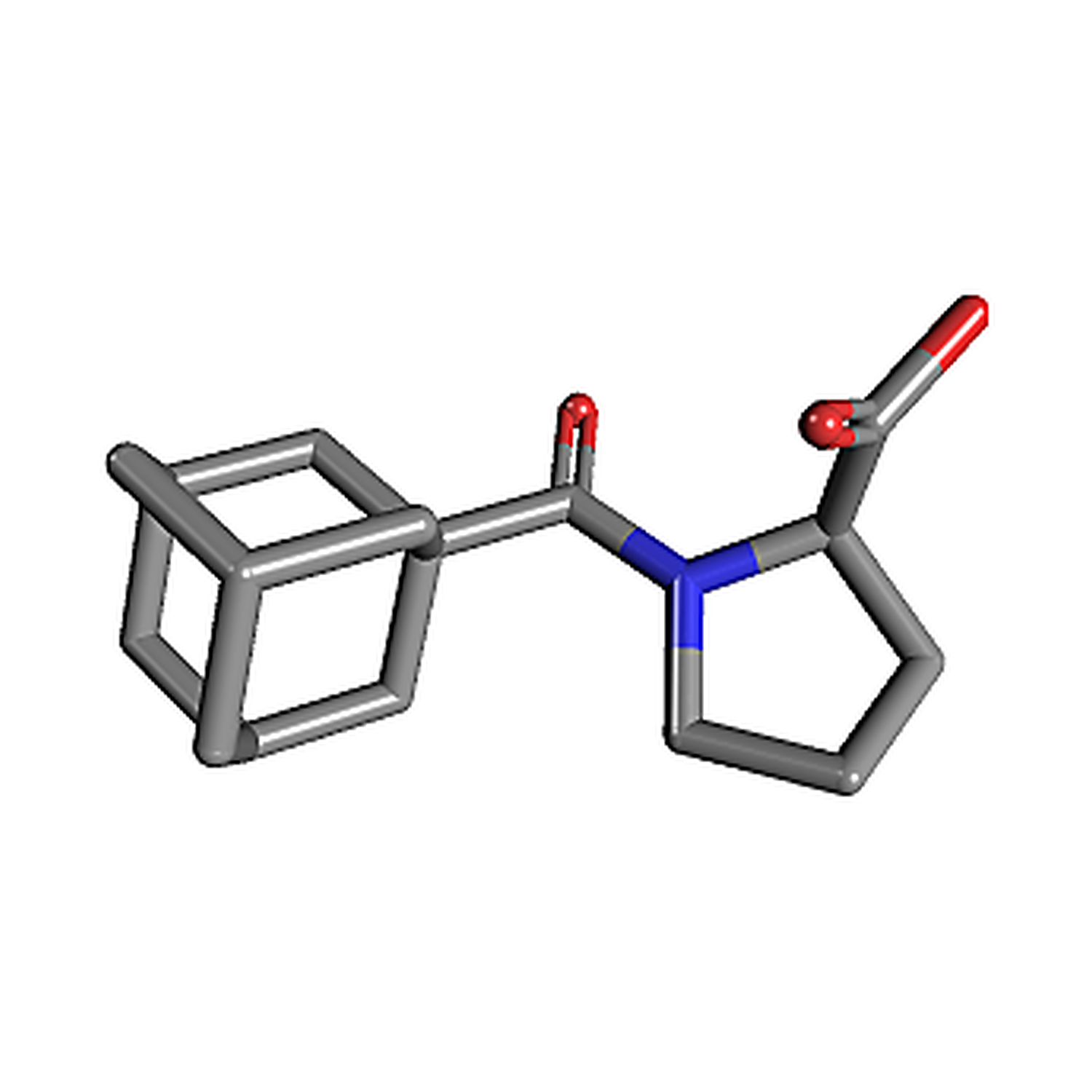
L’ACA est constitué d’un cycle pyrrolidine dérivé de la proline substitué par un groupement adamantylcarbonyle. La structure cage de l’adamantane est un hydrocarbure tricyclique rigide connu pour son encombrement stérique important et sa grande stabilité conformationnelle.
La présence du groupe adamantane introduit un caractère hydrophobe et un effet de protection stérique, tandis que l’acide carboxylique dérivé de la proline apporte une fonctionnalité polaire. Cette combinaison produit une molécule présentant à la fois des caractéristiques hydrophobes et polaires susceptibles d’influencer le comportement chromatographique et la solubilité.
La liaison amide reliant le groupe adamantylcarbonyle au squelette de la proline confère une rigidité structurelle ainsi qu’une géométrie conformationnelle définie.
L’ACA contient un centre chiral dérivé de la fraction proline. La configuration stéréochimique peut influencer le comportement chromatographique lors d’analyses réalisées sur des phases stationnaires chirales.
Le squelette adamantane lui-même est conformationnellement verrouillé, contribuant à des caractéristiques RMN prévisibles et à une flexibilité conformationnelle réduite par rapport aux substituants alkyles linéaires.
Le groupe carbonyle introduit un effet électroattracteur localisé, tandis que la fonction acide carboxylique peut participer à des interactions par liaison hydrogène aussi bien en solution qu’à l’état solide.
Ces caractéristiques électroniques influencent les fréquences IR, les déplacements chimiques RMN ainsi que les réponses chromatographiques.
En spectroscopie infrarouge, on observe généralement des bandes caractéristiques correspondant aux vibrations d’élongation du carbonyle (C=O) ainsi qu’à l’élongation O–H de l’acide carboxylique.
En RMN protonique, les protons de l’adamantane génèrent des multiplets caractéristiques liés à la symétrie de la structure cage. Les signaux du cycle pyrrolidine et du proton carboxylique apparaissent dans des régions distinctives selon les conditions du solvant.
L’ACA présente généralement une rétention modérée dans les systèmes HPLC en phase inversée en raison de son caractère mixte hydrophobe et polaire.
La composition de la phase mobile, le pH et la chimie de la colonne peuvent influencer les performances de séparation lors du développement de méthodes analytiques.
Sous ionisation par électrospray, l’ACA forme généralement un ion moléculaire protoné. Les voies de fragmentation peuvent inclure des ruptures de la liaison amide ou des fragmentations au sein du substituant contenant l’adamantane.
Ces caractéristiques de fragmentation soutiennent la confirmation structurelle lors des analyses LC-MS.
L’ACA est généralement observé sous forme de solide cristallin. Les liaisons hydrogène intermoléculaires entre groupes acides carboxyliques peuvent influencer l’organisation cristalline.
La caractérisation de l’état solide peut inclure la détermination du point de fusion, l’analyse XRPD ainsi que le profilage thermique par DSC.
Les valeurs physicochimiques prédites peuvent varier selon les bases de données chimiques et les modèles computationnels utilisés.
La solubilité peut varier selon le pH et le système de solvants utilisé lors des procédures analytiques.
Pour des informations détaillées relatives à la manipulation et à la sécurité, consulter la fiche de données de sécurité (FDS).
Des informations chimiques complémentaires et certaines données prédictives peuvent être consultées via une base de données externe : ACA sur ChemicalBook .
Quel est le numéro CAS de l’ACA ?
Le numéro CAS de l’ACA est 35084-48-1.
L’ACA contient-il une structure cage d’adamantane ?
Oui. La molécule comprend un groupement adamantane rigide contribuant à l’encombrement stérique et au caractère hydrophobe.
Sous quelle forme l’ACA est-il fourni ?
Ce produit est fourni sous forme de poudre cristalline blanche à blanc cassé dans un emballage de laboratoire scellé.
Ce produit est-il destiné à un usage humain ou animal ?
Non. Ce matériau est fourni exclusivement comme composé de référence destiné au laboratoire.
L’ACA peut-il être expédié au sein de l’Union européenne ?
Oui. Les commandes sont fournies via la boutique en ligne Rexar dans un emballage de laboratoire scellé.
Le groupement adamantane présent dans l’ACA représente un système hydrocarbure tricyclique rigide. Les dérivés de l’adamantane sont caractérisés par une stabilité conformationnelle exceptionnelle grâce à leur structure carbonée proche d’un réseau diamant. Cette rigidité réduit la liberté rotationnelle interne et contribue à des signatures spectroscopiques bien définies.
Cette structure volumineuse introduit un effet de protection stérique significatif autour de la liaison amide, pouvant influencer les interactions intermoléculaires ainsi que la rétention chromatographique. Comparé aux chaînes alkyles linéaires, l’adamantane apporte un volume tridimensionnel plus important et une orientation spatiale définie.
L’ACA contient à la fois une fonction acide carboxylique et une liaison amide capables de participer à des interactions par liaison hydrogène. En solution, ces interactions peuvent influencer la solubilité et le comportement chromatographique. À l’état solide, les groupes carboxyliques peuvent former des dimères stabilisant le réseau cristallin.
Ces interactions peuvent également affecter le comportement à la fusion et la morphologie de la poudre.
Le cycle pyrrolidine dérivé de la proline présente des préférences conformationnelles définies. Le plissement du cycle ainsi que la rotation restreinte autour de la liaison amide peuvent influencer les constantes de couplage RMN et les déplacements chimiques observés.
La modélisation computationnelle et l’analyse conformationnelle peuvent être utilisées pour évaluer les géométries énergétiquement favorisées.
La fonction acide carboxylique peut subir une déprotonation selon le pH, ce qui peut influencer la solubilité ainsi que la réponse chromatographique.
L’état d’ionisation joue un rôle important dans la rétention observée en HPLC en phase inversée, notamment lorsque le pH de la phase mobile est ajusté.
Bien que l’ACA ne possède pas de système aromatique fortement conjugué, les groupes carbonyles contribuent à une absorption UV dans les basses longueurs d’onde. Les spectres IR présentent généralement des bandes intenses correspondant aux groupes carbonyles amide et acide carboxylique.
Les vibrations O–H impliquées dans des liaisons hydrogène peuvent présenter un élargissement dans certaines conditions.
La structure cage de l’adamantane produit des signaux aliphatiques caractéristiques en RMN carbone 13, généralement regroupés en raison de la symétrie de la structure. Les carbones carbonyles apparaissent dans la région des faibles champs et sont facilement identifiables.
Les spectres RMN protoniques présentent des multiplets caractéristiques associés aux hydrogènes de la structure cage ainsi qu’aux groupes méthylène du cycle.
Sous ionisation par électrospray, l’ACA forme généralement un ion moléculaire protoné [M+H]+. La fragmentation peut résulter de la rupture de la liaison amide ou de la fragmentation partielle du substituant adamantane.
Les ions fragments caractéristiques contribuent à la confirmation de l’identité moléculaire lors des analyses LC-MS.
Le profilage thermique par calorimétrie différentielle à balayage (DSC) peut révéler des transitions de fusion ou des températures de début de décomposition. La rigidité de la structure cage peut contribuer à des transitions relativement nettes par rapport aux dérivés aliphatiques plus flexibles.
L’analyse thermogravimétrique (TGA) peut être utilisée pour évaluer les pertes de masse lors du chauffage.
Au sein des dérivés d’acides aminés substitués par l’adamantane, l’ACA se distingue par son squelette spécifique dérivé de la proline et sa liaison carbonyle. Les comparaisons avec d’autres composés à base d’adamantane peuvent mettre en évidence des différences de polarité, de solubilité et de temps de rétention.
Pour une utilisation comme matériau de référence en laboratoire, l’identité du composé peut être confirmée à l’aide de plusieurs techniques complémentaires, notamment la comparaison des temps de rétention HPLC, la correspondance des spectres RMN, l’analyse IR et la vérification par spectrométrie de masse.
Cette validation multi-technique renforce la fiabilité de l’attribution structurelle et la cohérence des lots.
Le groupe adamantane influence-t-il la rétention chromatographique ?
Oui. La structure cage hydrophobe augmente généralement la rétention dans les systèmes en phase inversée.
L’ACA peut-il former des dimères par liaison hydrogène à l’état solide ?
Oui. La fonction acide carboxylique peut participer à des interactions intermoléculaires de ce type.
L’ACA présente-t-il une structure rigide ?
Oui. La structure cage de l’adamantane et la liaison amide contribuent à une grande stabilité conformationnelle.
Clause de non-responsabilité :
Ce produit est destiné exclusivement à un usage de recherche en laboratoire. Il n’est pas destiné à la consommation humaine ou animale, ni à des applications médicales, diagnostiques ou thérapeutiques.
| Intended use: | Laboratory research and analytical reference purposes only |
| Application area: | Analytical chemistry, reference comparison and method development |
| End user: | Professional users in controlled research environments |
| Regulatory classification: | Chemical reference material |