fr
Panier
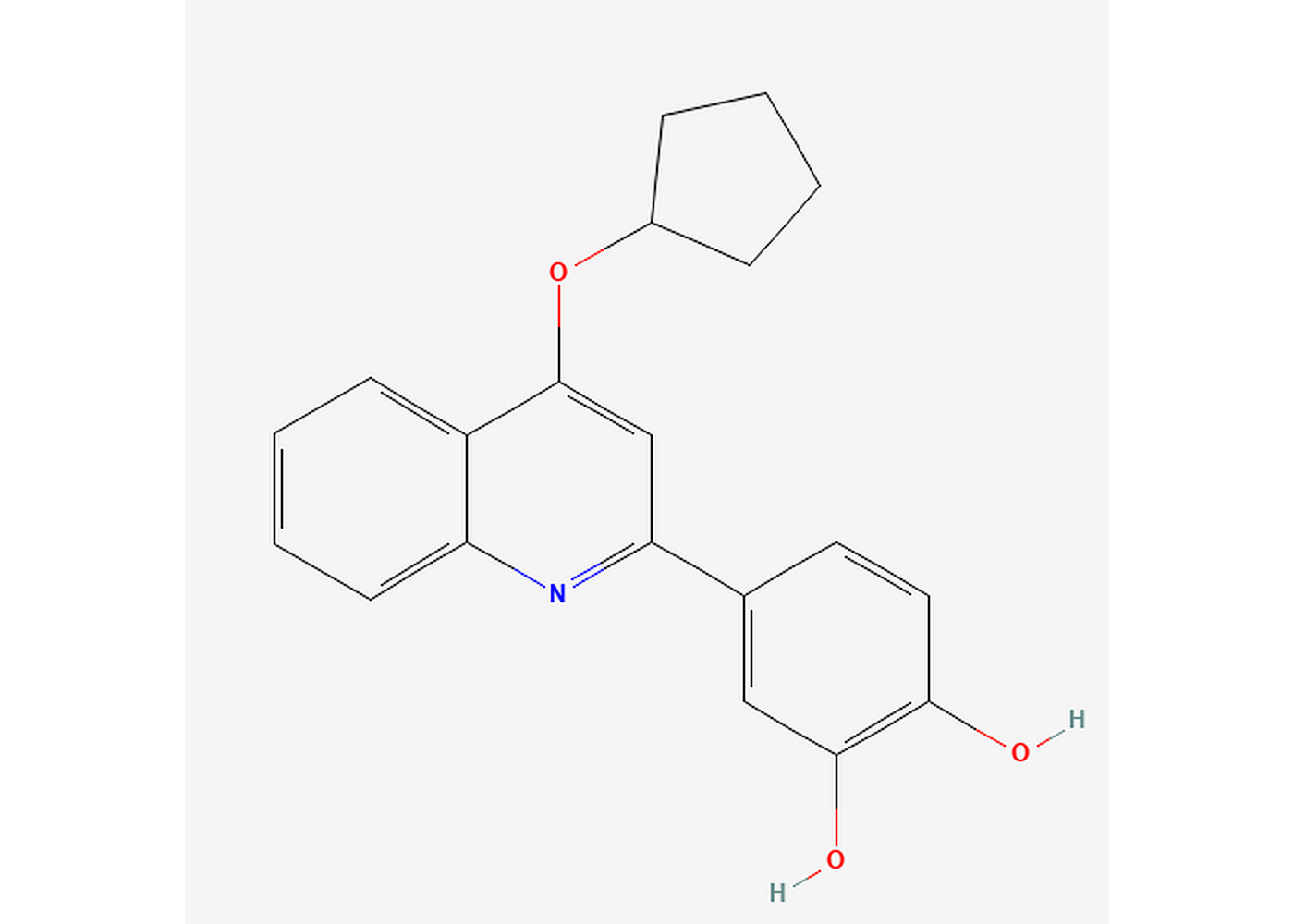
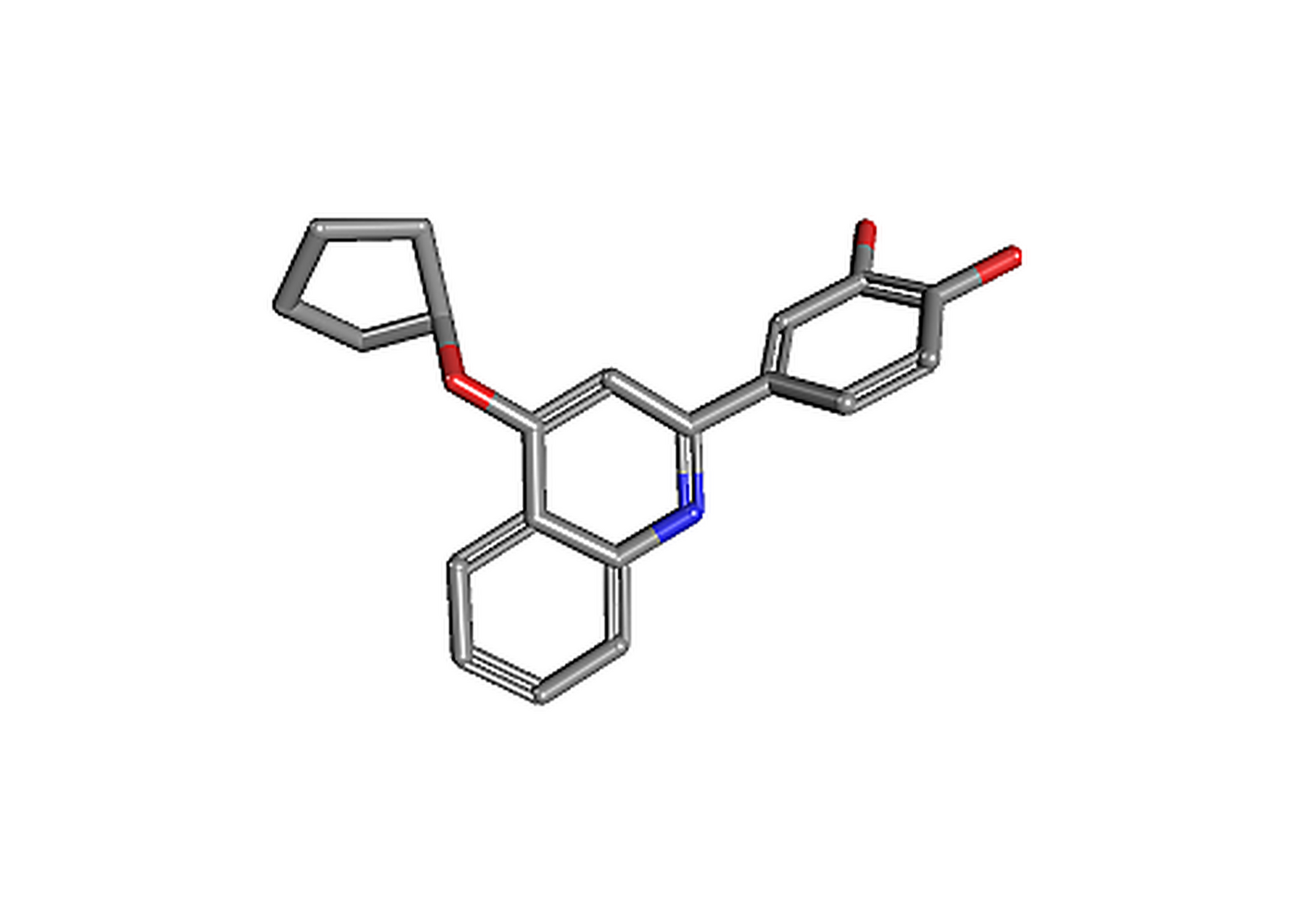
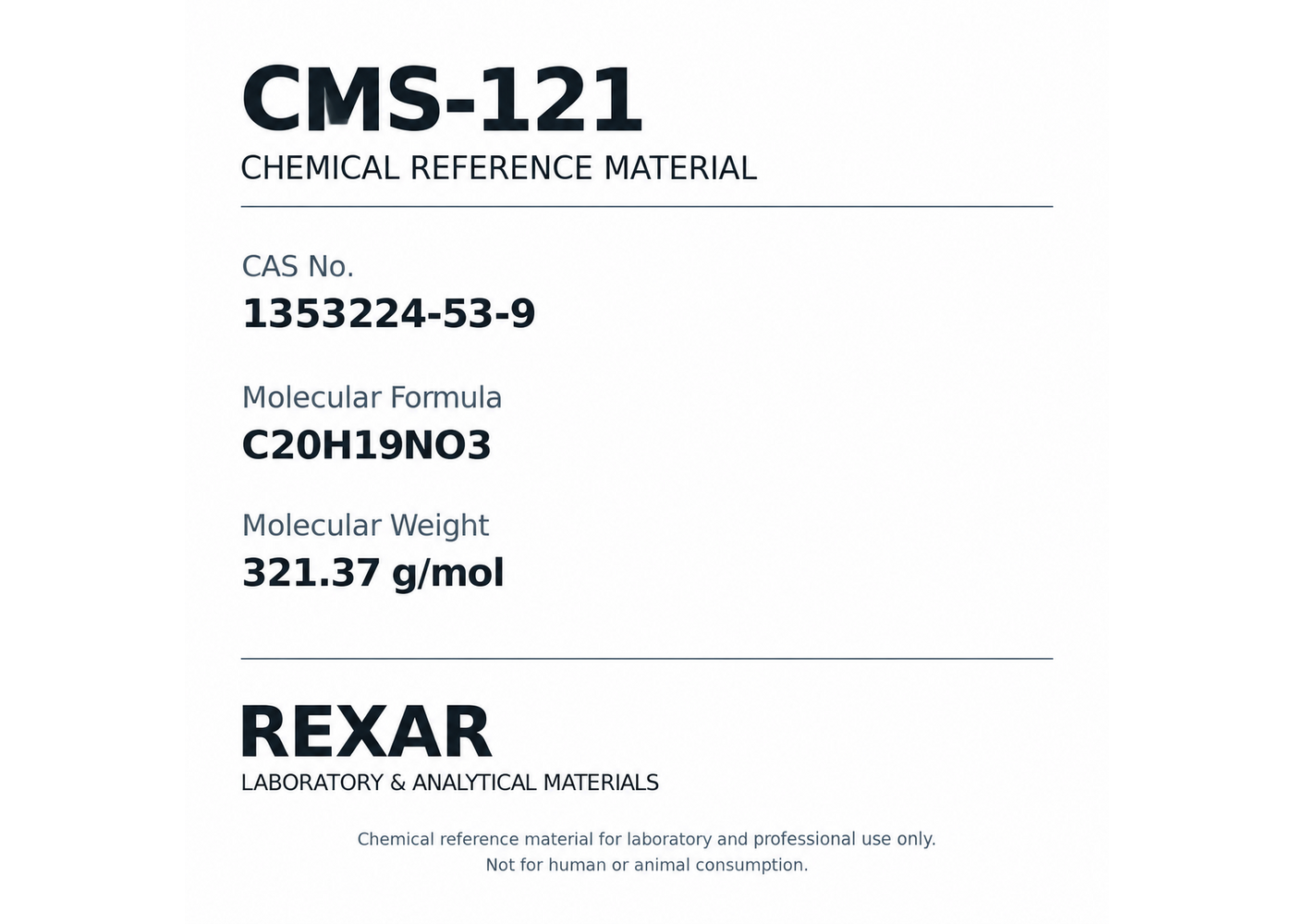
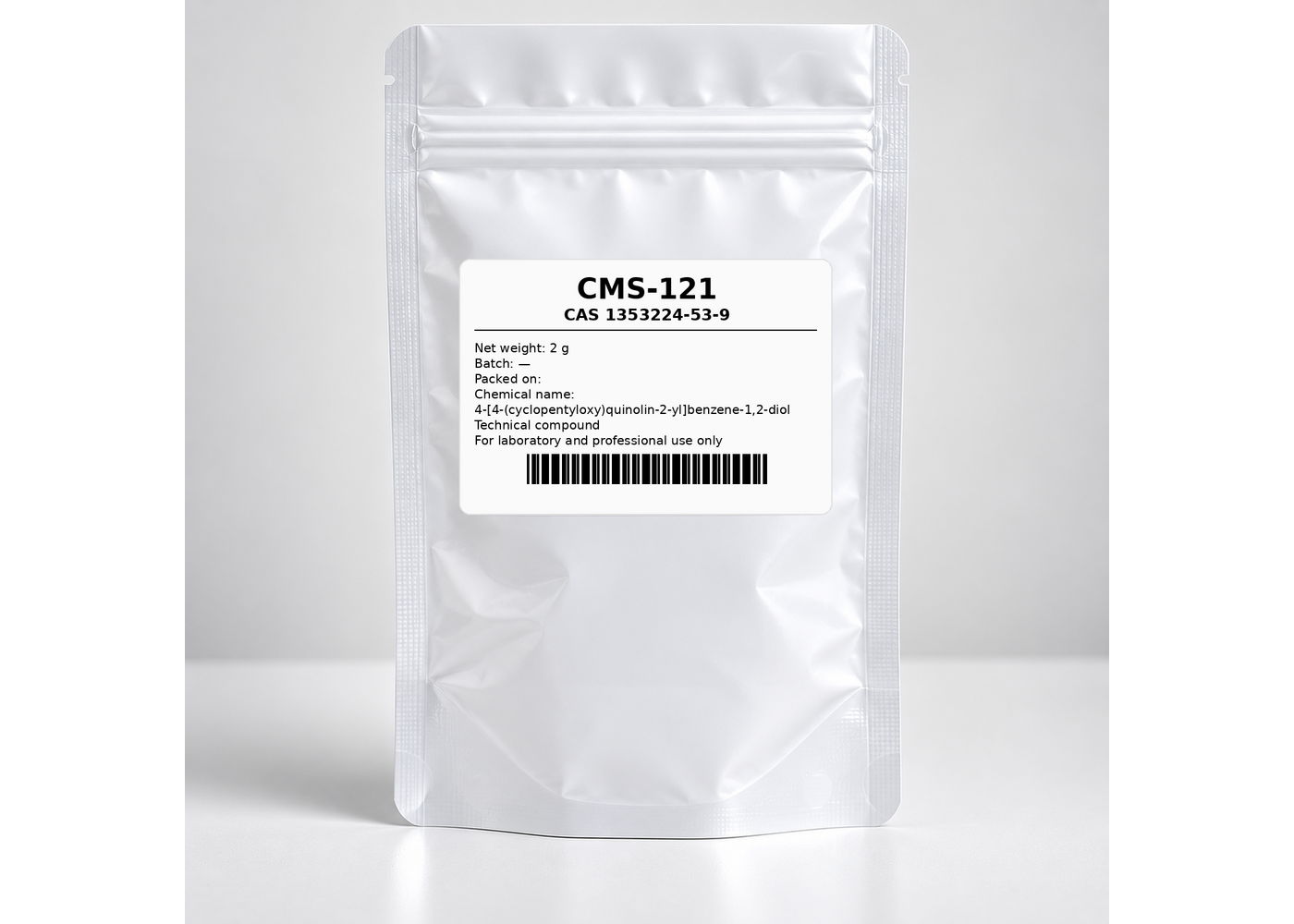
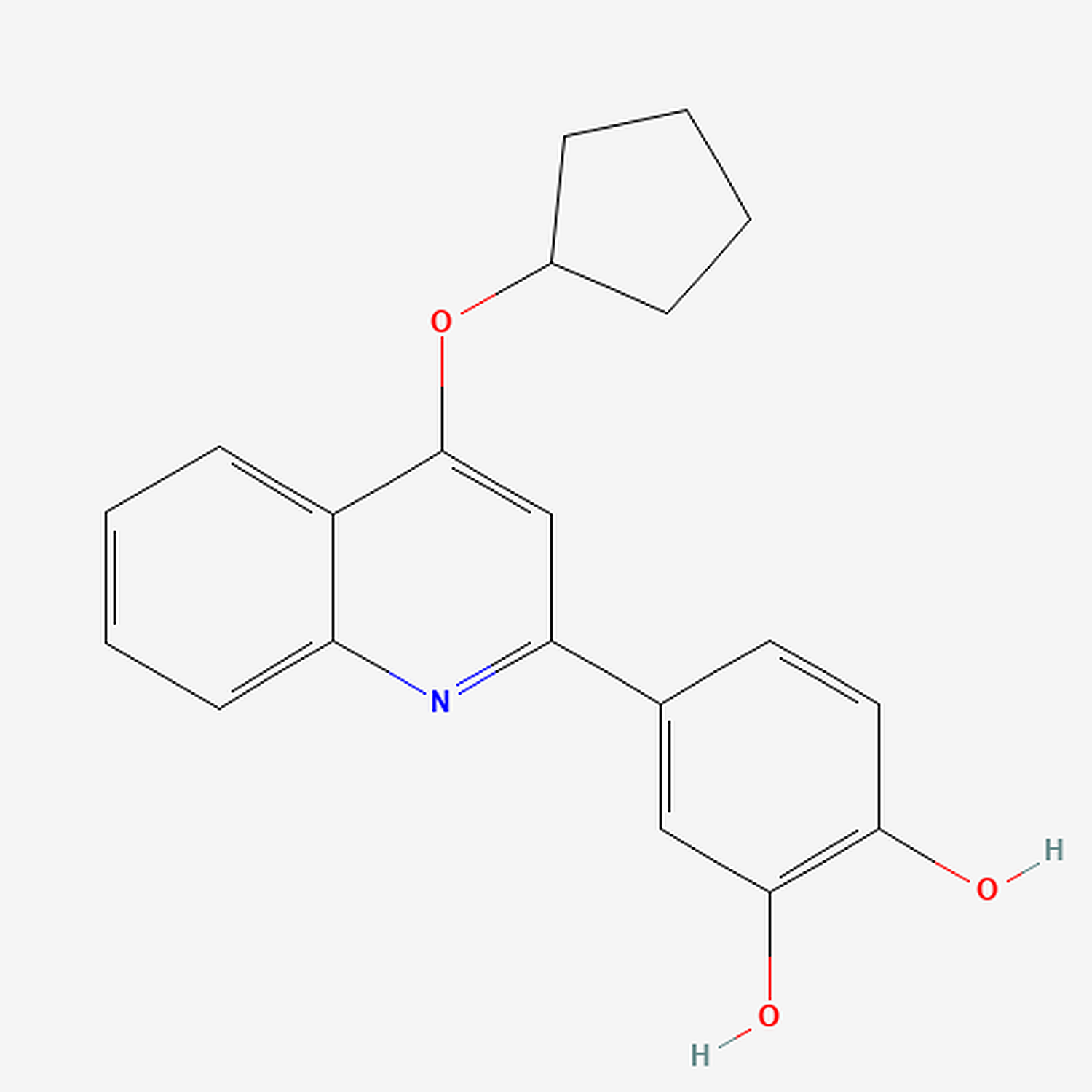
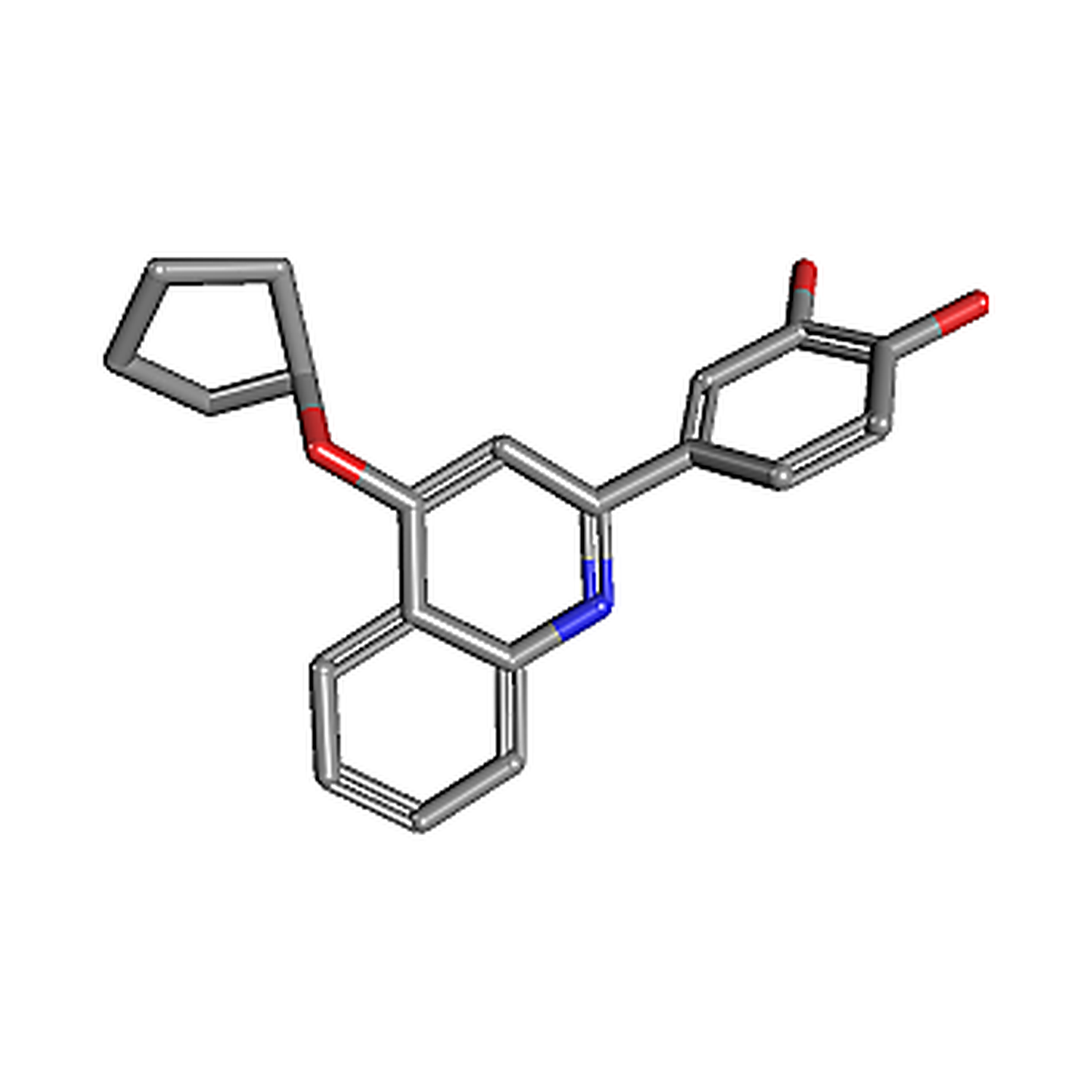
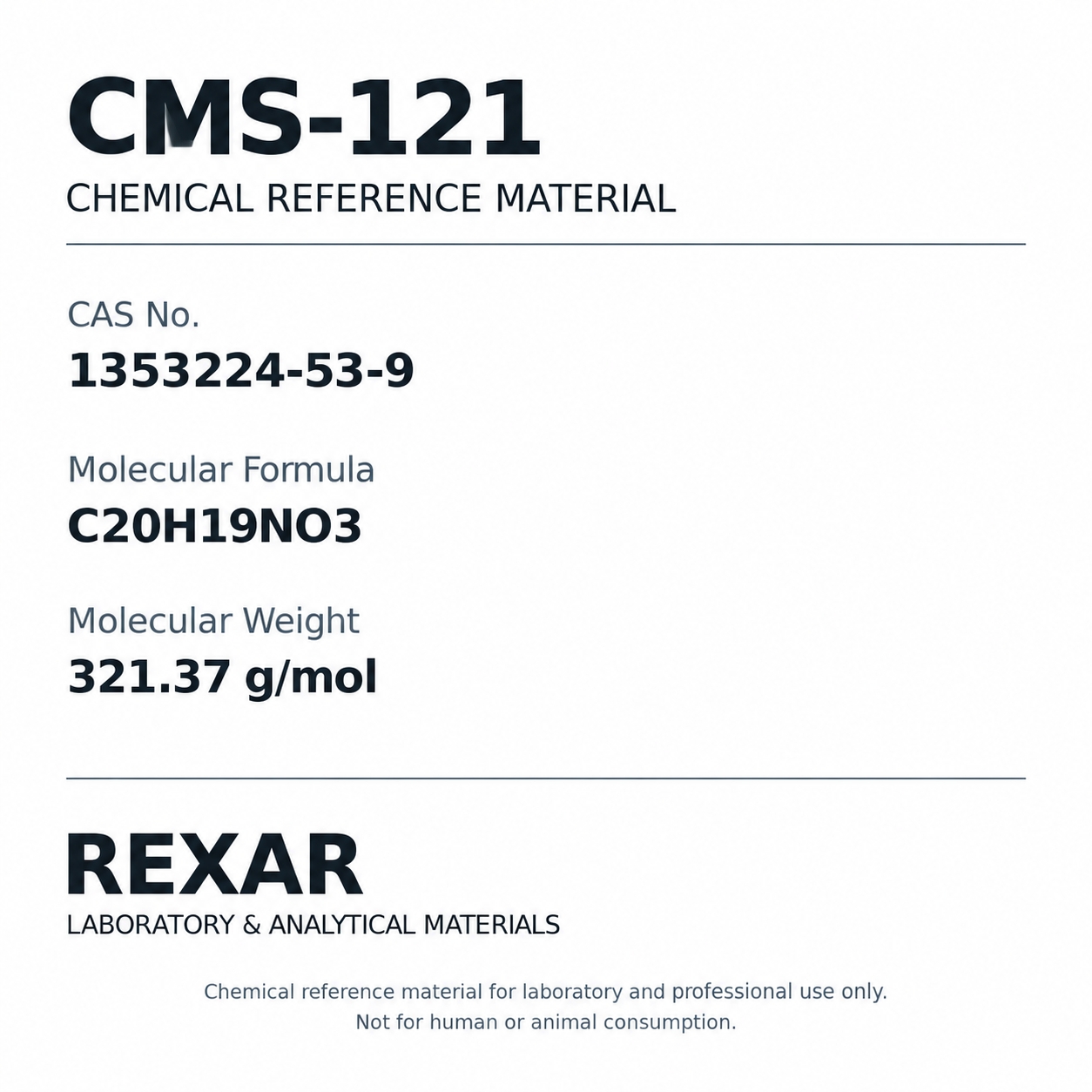
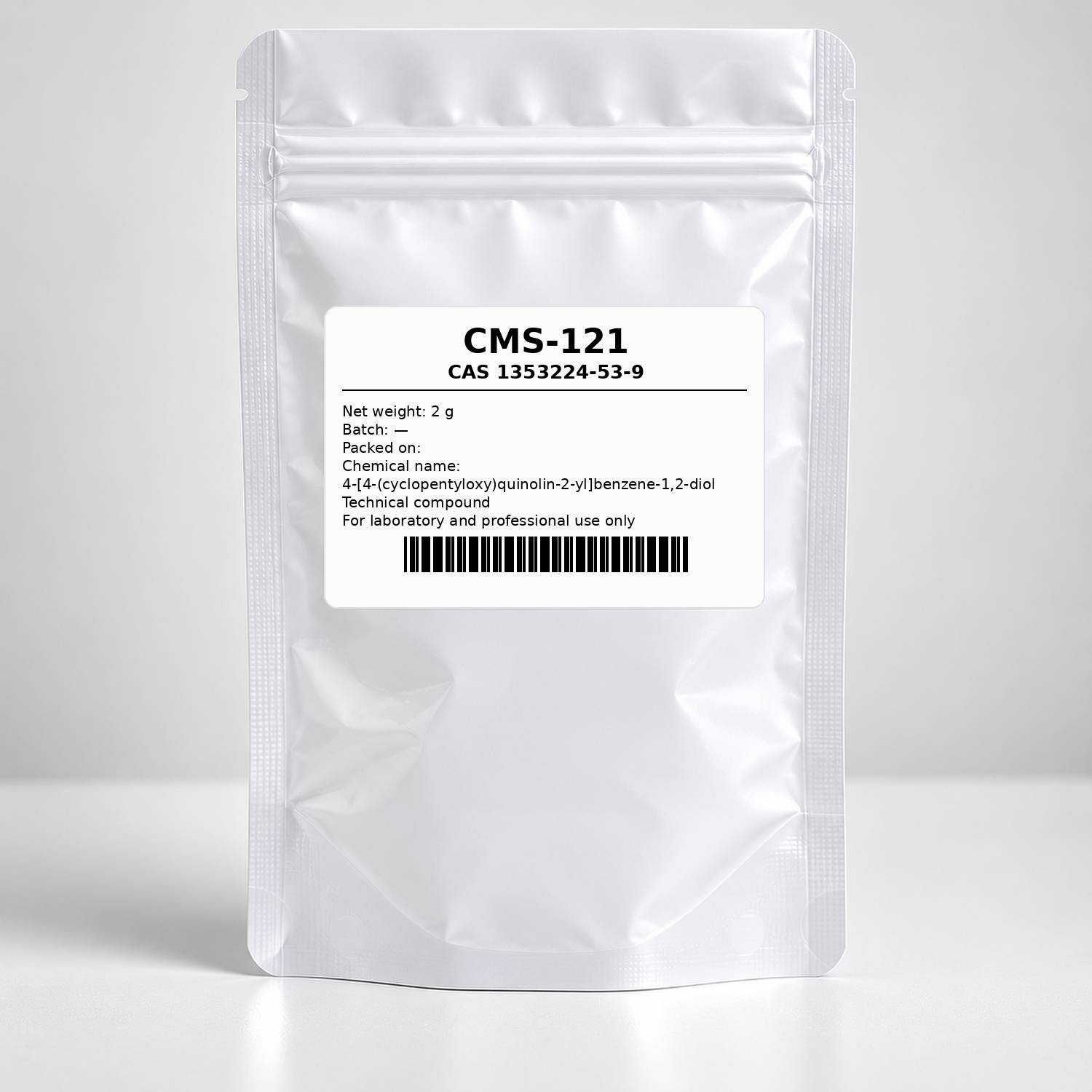

Le CMS-121 (CAS 1353224-53-9) est fourni par Rexar en tant que matériau de référence chimique de qualité recherche destiné à la chimie analytique, à la vérification structurelle et aux procédures comparatives en laboratoire. Ce composé est fourni exclusivement pour des environnements de recherche contrôlés nécessitant une identité chimique confirmée, un comportement analytique reproductible et des standards documentaires cohérents.
Matériau de qualité recherche distribué par Rexar au sein de l’Union européenne.
Le CMS-121 est disponible directement via la boutique en ligne Rexar et fourni dans un emballage de laboratoire scellé pour une distribution au sein de l’Union européenne.
Fiche technique Rexar Technical Compound Datasheet (PDF)
Fiche de données de sécurité (FDS)
Documentation : Consultez la FDS et la fiche technique de ce produit ou parcourez notre Documentation technique.
Le CMS-121 est une petite molécule synthétique structurellement dérivée de cadres moléculaires apparentés à la curcumine et modifiée afin d’améliorer sa stabilité chimique ainsi que sa robustesse analytique. La molécule combine un système aromatique avec des fonctionnalités hétérocycliques et carbonylées, produisant une architecture moléculaire définie adaptée aux applications de référence analytique.
La structure comprend des régions aromatiques conjuguées ainsi que des substituants électroattracteurs influençant la distribution électronique et le comportement spectroscopique. Ces éléments structurels contribuent à des caractéristiques de rétention chromatographique reproductibles ainsi qu’à des signatures spectrales identifiables.
Le CMS-121 contient plusieurs groupes fonctionnels pertinents pour l’analyse en laboratoire :
Les groupes carbonyles produisent généralement des bandes d’absorption caractéristiques en spectroscopie infrarouge. Les domaines aromatiques favorisent les transitions π→π* détectables par spectroscopie UV-visible. La présence d’un atome de fluor peut influencer les schémas de couplage RMN ainsi que la distribution des déplacements chimiques.
La formule moléculaire C18H16FNO3 correspond à une structure équilibrant des régions aromatiques hydrophobes et des groupes fonctionnels polaires. Cette répartition influence le comportement de partition, la rétention chromatographique ainsi que les interactions avec les phases stationnaires dans les systèmes en phase inversée.
Les substituants électroattracteurs peuvent modifier la densité électronique au sein du squelette aromatique, influençant subtilement les maxima d’absorption UV ainsi que les déplacements chimiques observés en RMN.
Spectroscopie RMN : Les spectres RMN du proton et du carbone révèlent généralement des signaux aromatiques, des carbones carbonyles ainsi que des signaux aliphatiques ou hétérocycliques compatibles avec le cadre moléculaire. La substitution fluorée peut introduire des motifs de couplage caractéristiques dans les spectres ¹H et ¹³C.
Spectroscopie infrarouge : Les vibrations d’élongation du carbonyle apparaissent sous forme de bandes d’absorption intenses. Les vibrations aromatiques C–H et C=C soutiennent la confirmation structurelle.
Spectroscopie UV-visible : Les systèmes aromatiques conjugués permettent une détection UV dans les méthodes chromatographiques utilisant des détecteurs UV ou PDA.
Le CMS-121 présente un comportement de rétention défini dans les systèmes chromatographiques en phase inversée. Les domaines aromatiques hydrophobes interagissent avec les phases stationnaires non polaires tandis que les fonctions carbonyles polaires contribuent aux interactions dipolaires.
Le temps de rétention peut varier selon la composition du solvant, le profil de gradient et la polarité de la phase mobile. Dans des conditions analytiques contrôlées, des caractéristiques de pic reproductibles peuvent être obtenues.
La spectrométrie de masse confirme une masse moléculaire de 313,33 g/mol. Les voies de fragmentation peuvent inclure des ruptures à proximité des groupes carbonyles ou des systèmes aromatiques, soutenant ainsi la vérification structurelle dans les procédures analytiques.
Le CMS-121 se présente généralement sous forme de poudre fine adaptée à la manipulation en laboratoire. Les composés aromatiques organiques présentant des schémas de substitution définis montrent souvent un comportement stable à l’état solide lorsqu’ils sont stockés dans des conditions environnementales contrôlées.
Les bases de données chimiques internationales répertorient le CMS-121 à l’aide de notations SMILES canoniques et d’identifiants InChI. Ces formats lisibles par machine facilitent les systèmes de gestion d’informations de laboratoire (LIMS), le contrôle numérique des inventaires et les procédures documentaires.
En tant que matériau de référence chimique de qualité recherche, le CMS-121 est fourni dans un emballage de laboratoire scellé afin de préserver son intégrité pendant le transport et le stockage. L’identification claire des lots favorise la traçabilité et les procédures de documentation interne.
Quel est le numéro CAS du CMS-121 ?
Le numéro CAS du CMS-121 est 1353224-53-9.
Sous quelle forme le CMS-121 est-il fourni ?
Ce produit est fourni sous forme de poudre de qualité laboratoire dans un emballage scellé.
Ce produit est-il destiné à un usage humain ou animal ?
Non. Ce matériau est fourni exclusivement comme composé de référence destiné au laboratoire.
Le CMS-121 peut-il être expédié au sein de l’Union européenne ?
Oui. Les commandes sont fournies via la boutique en ligne Rexar dans un emballage de laboratoire scellé.
Ce produit est destiné exclusivement à un usage de recherche en laboratoire. Il n’est pas destiné à la consommation humaine ou animale, ni à des applications médicales, diagnostiques ou thérapeutiques. Ce composé n’est pas destiné à diagnostiquer, traiter, guérir ou prévenir une quelconque maladie.
| Intended use: | Laboratory research and analytical reference purposes only |
| Application area: | Analytical chemistry, reference comparison and method development |
| End user: | Professional users in controlled research environments |
| Regulatory classification: | Chemical reference material |