da
Indkøbskurv
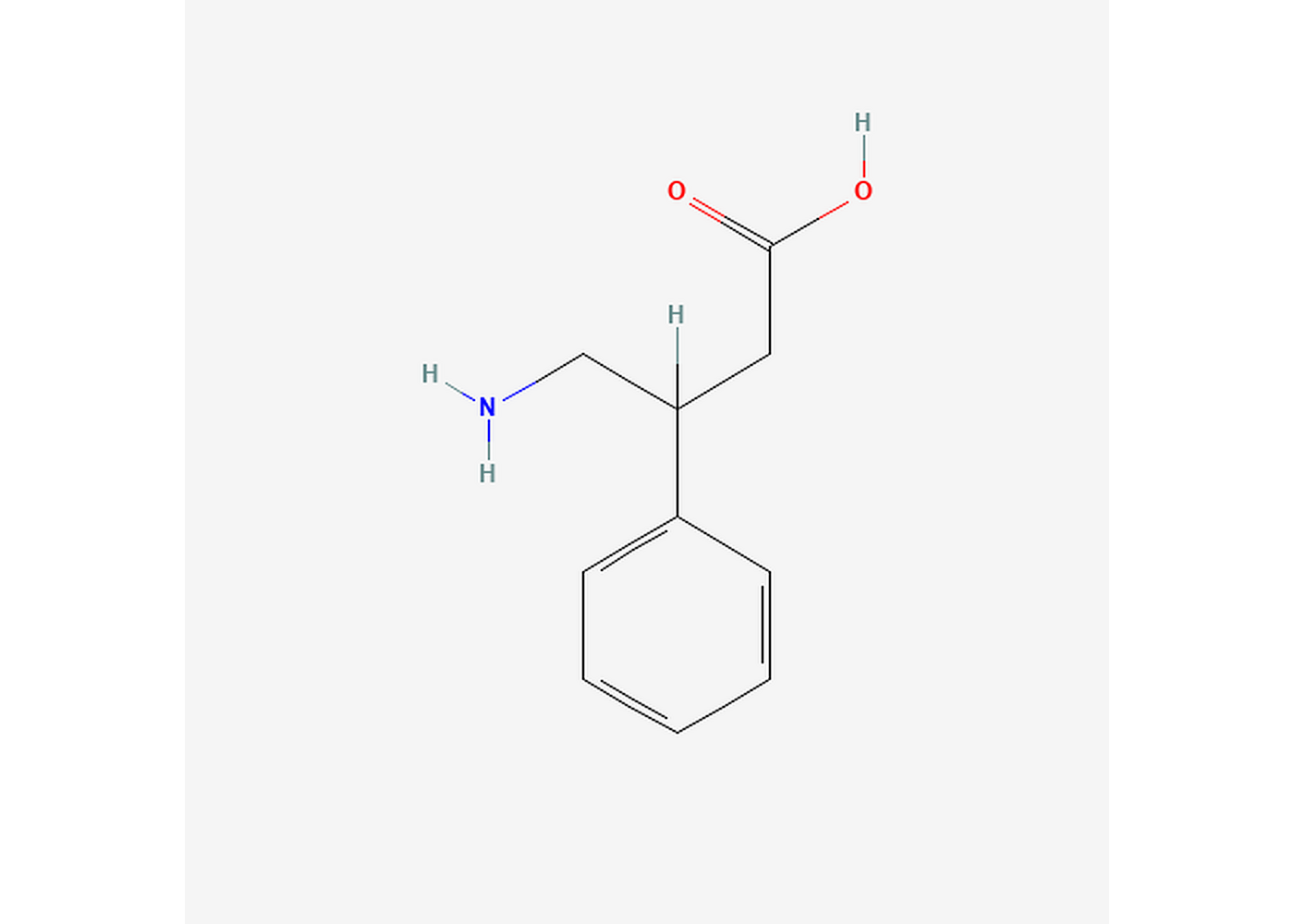
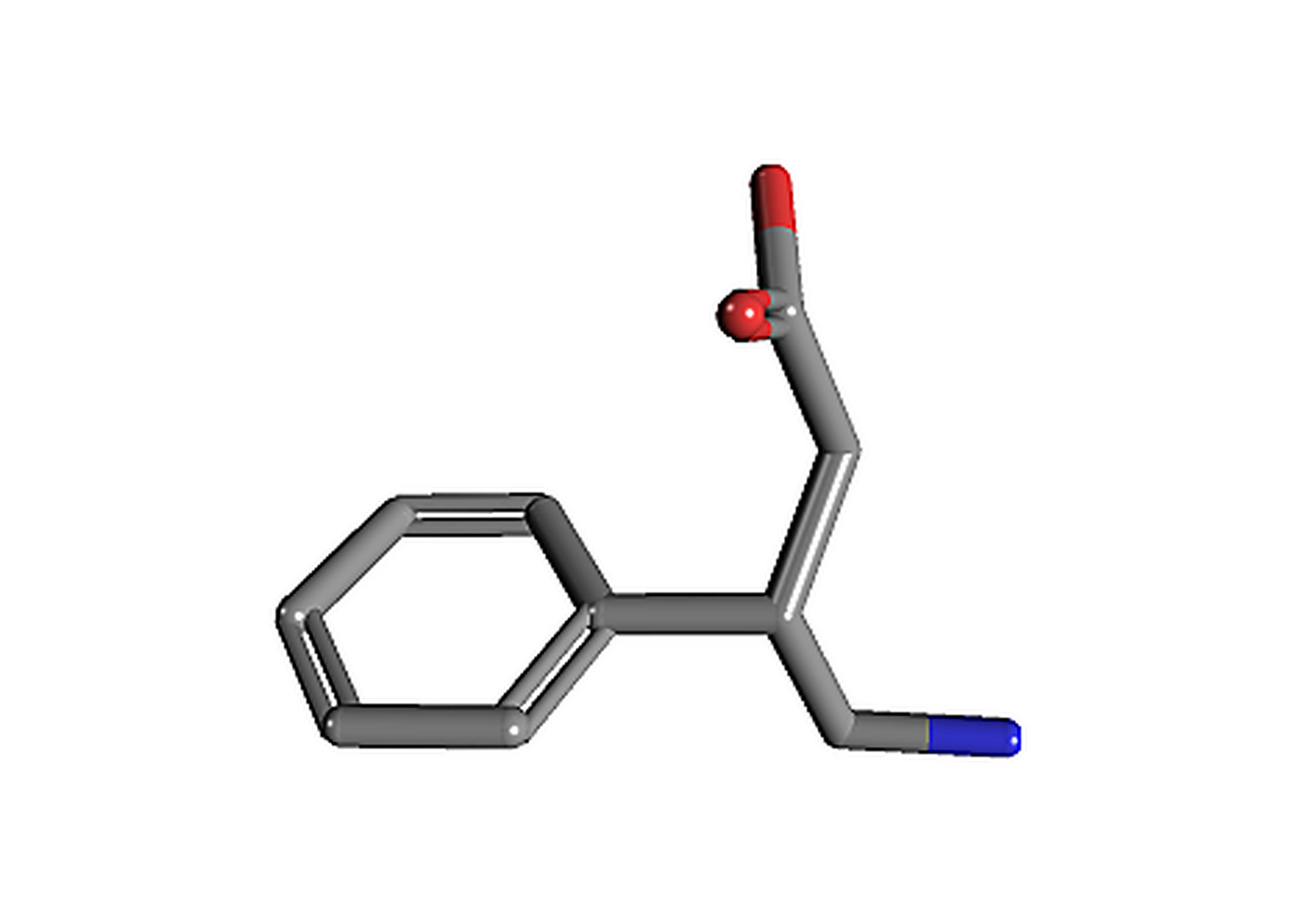
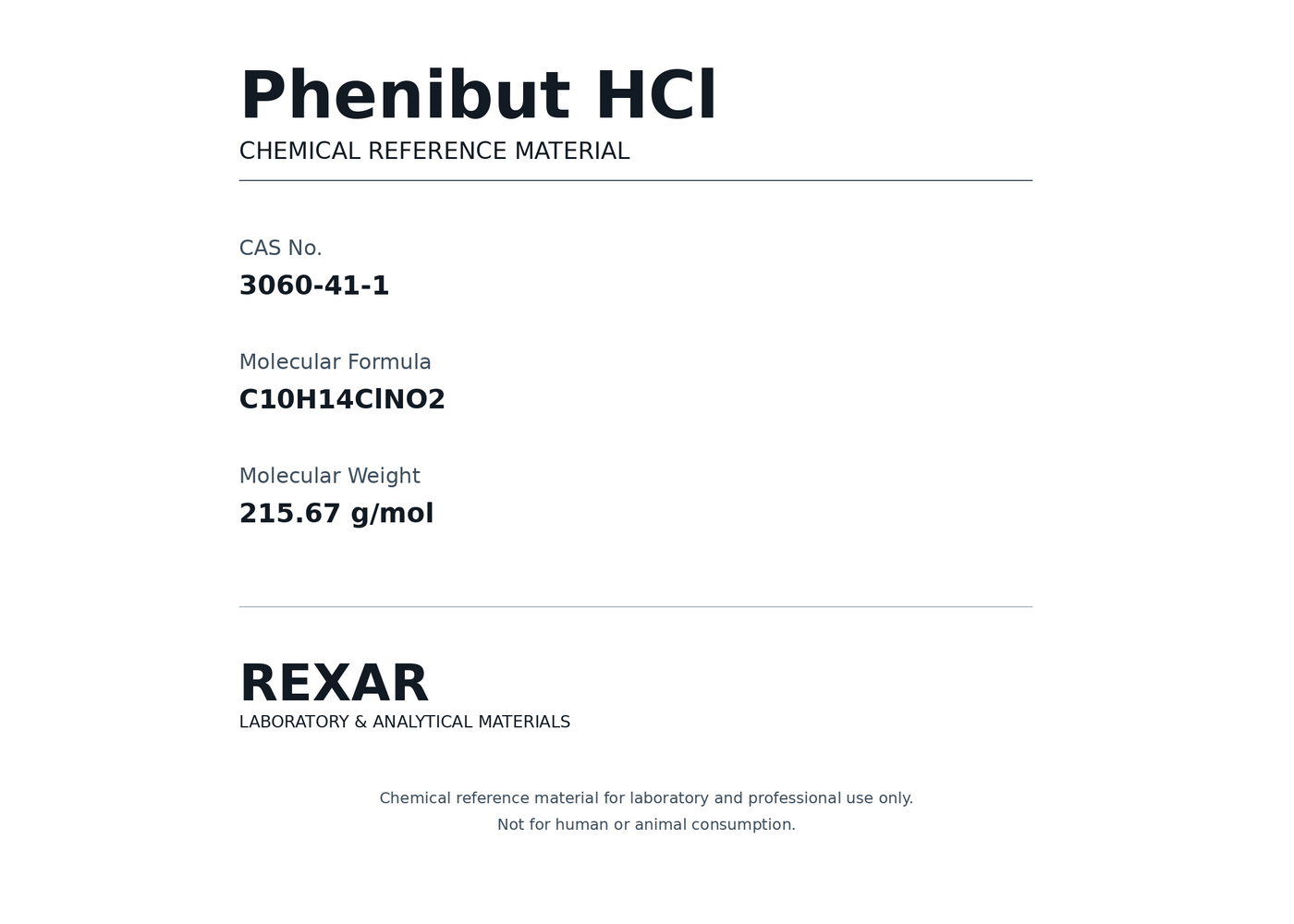
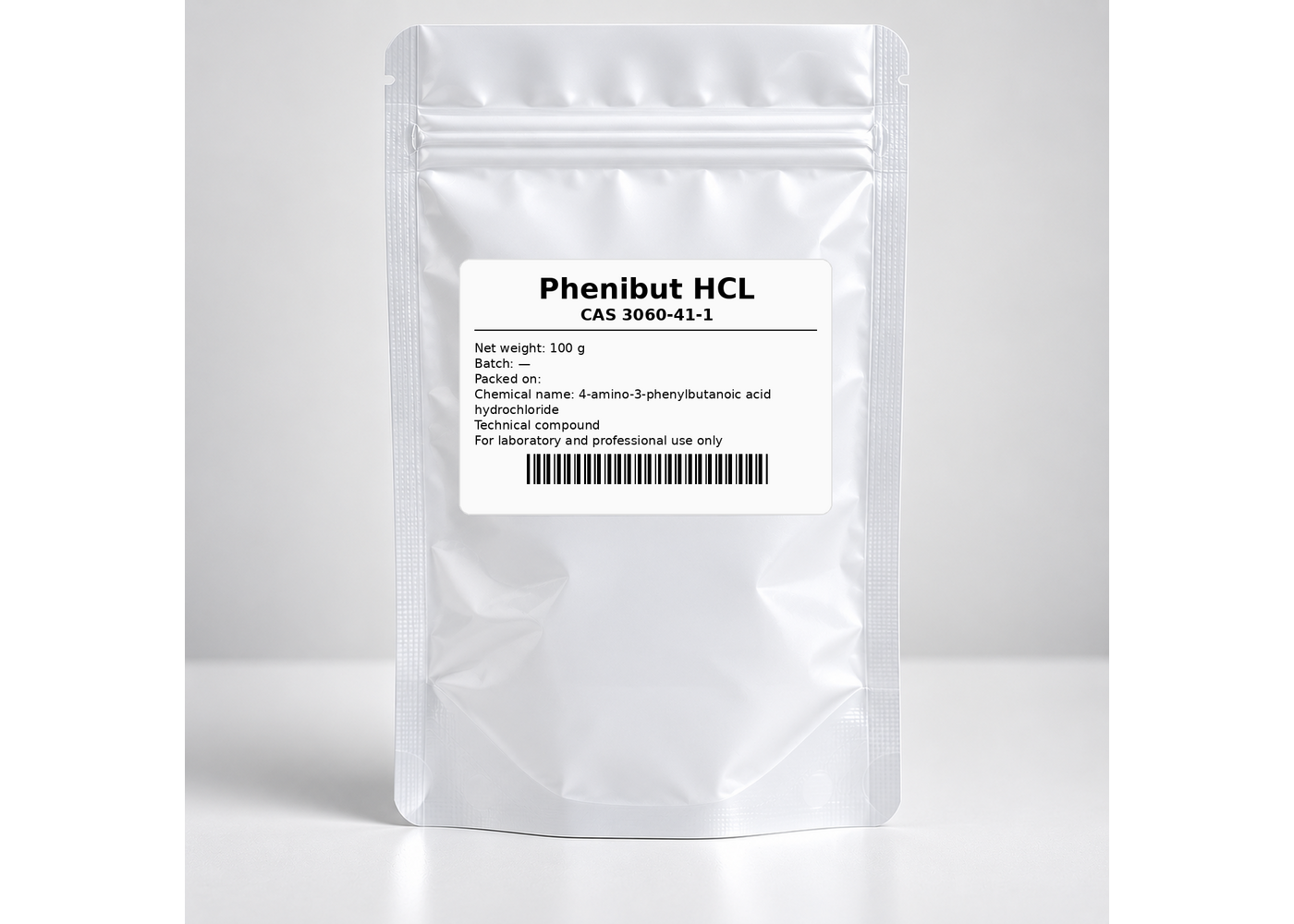
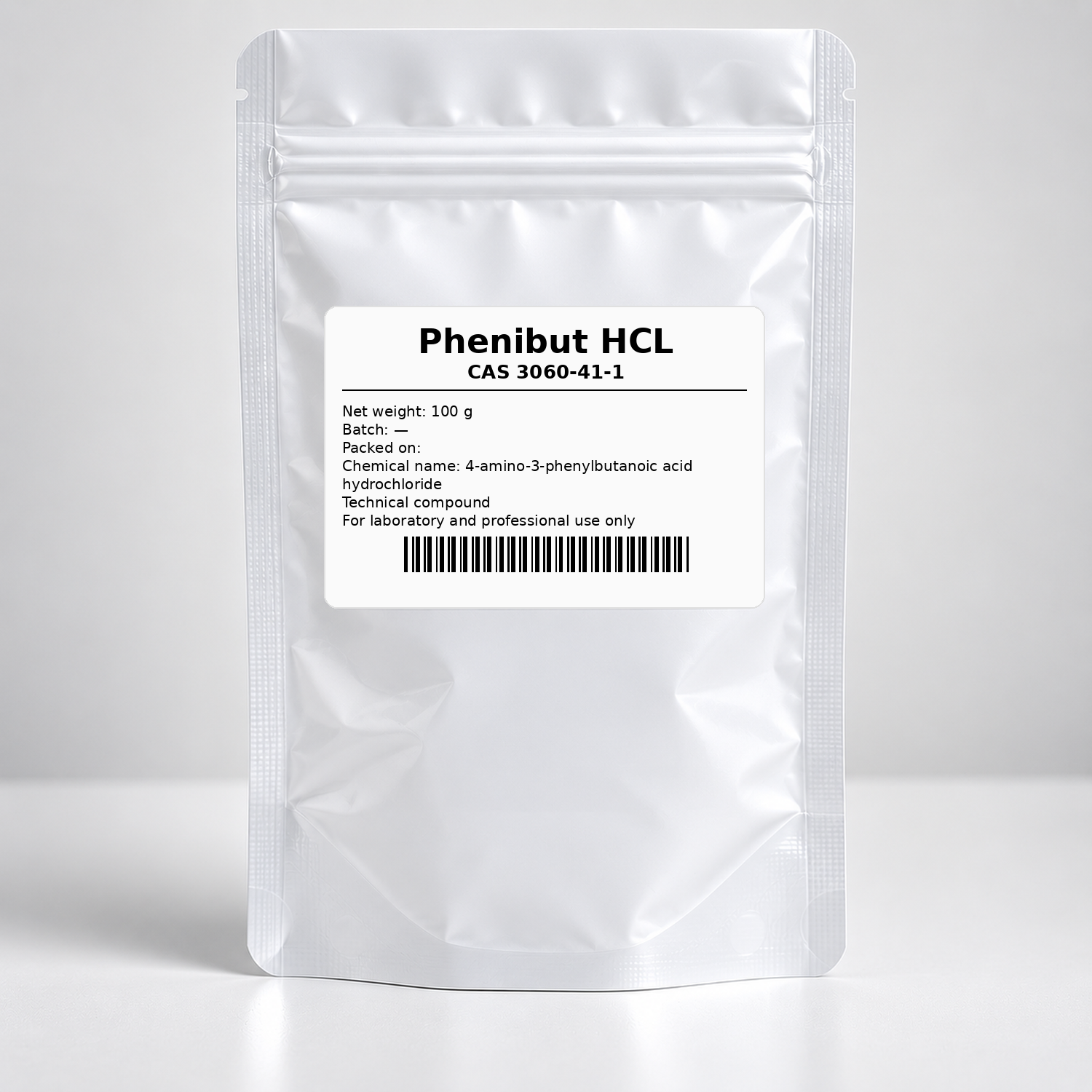

Phenibut hydrochlorid (HCl) leveres af Rexar som et kemisk referencemateriale i forskningskvalitet til analytisk kemi, strukturel verifikation og laboratoriebaserede sammenligningsarbejdsgange. Denne forbindelse leveres udelukkende til kontrollerede forskningsmiljøer, der kræver bekræftet kemisk identitet, reproducerbare analytiske egenskaber og ensartet referencedokumentation.
Forskningsmateriale distribueret af Rexar inden for Den Europæiske Union.
Phenibut HCl (CAS 3060-41-1) er tilgængeligt direkte via Rexars webshop og leveres i forseglet laboratorieemballage til distribution inden for Den Europæiske Union.
Rexar Technical Compound Datasheet (PDF)
Dokumentation: Se SDS og det tekniske datablad for dette produkt, eller gennemse vores Tekniske dokumentation.
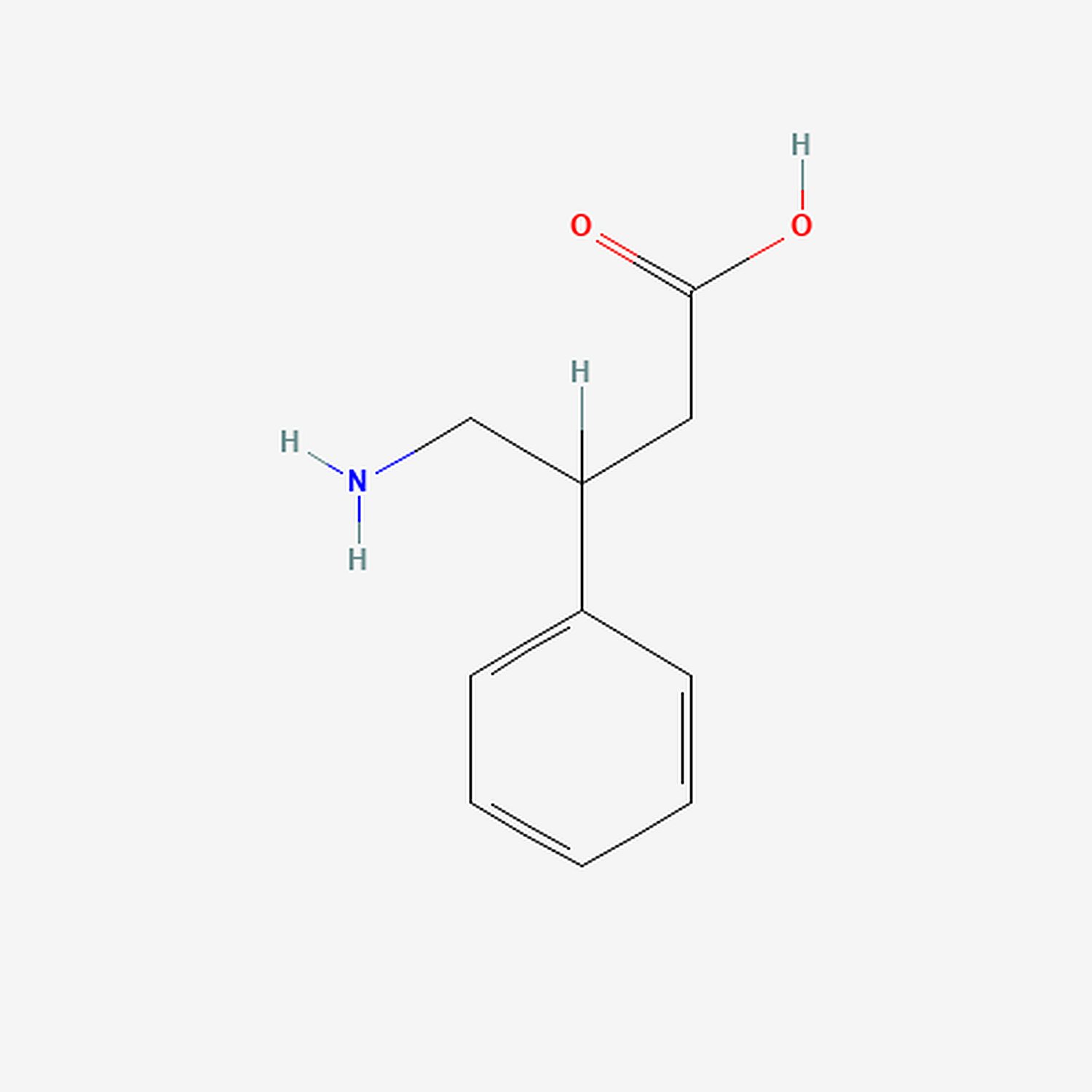
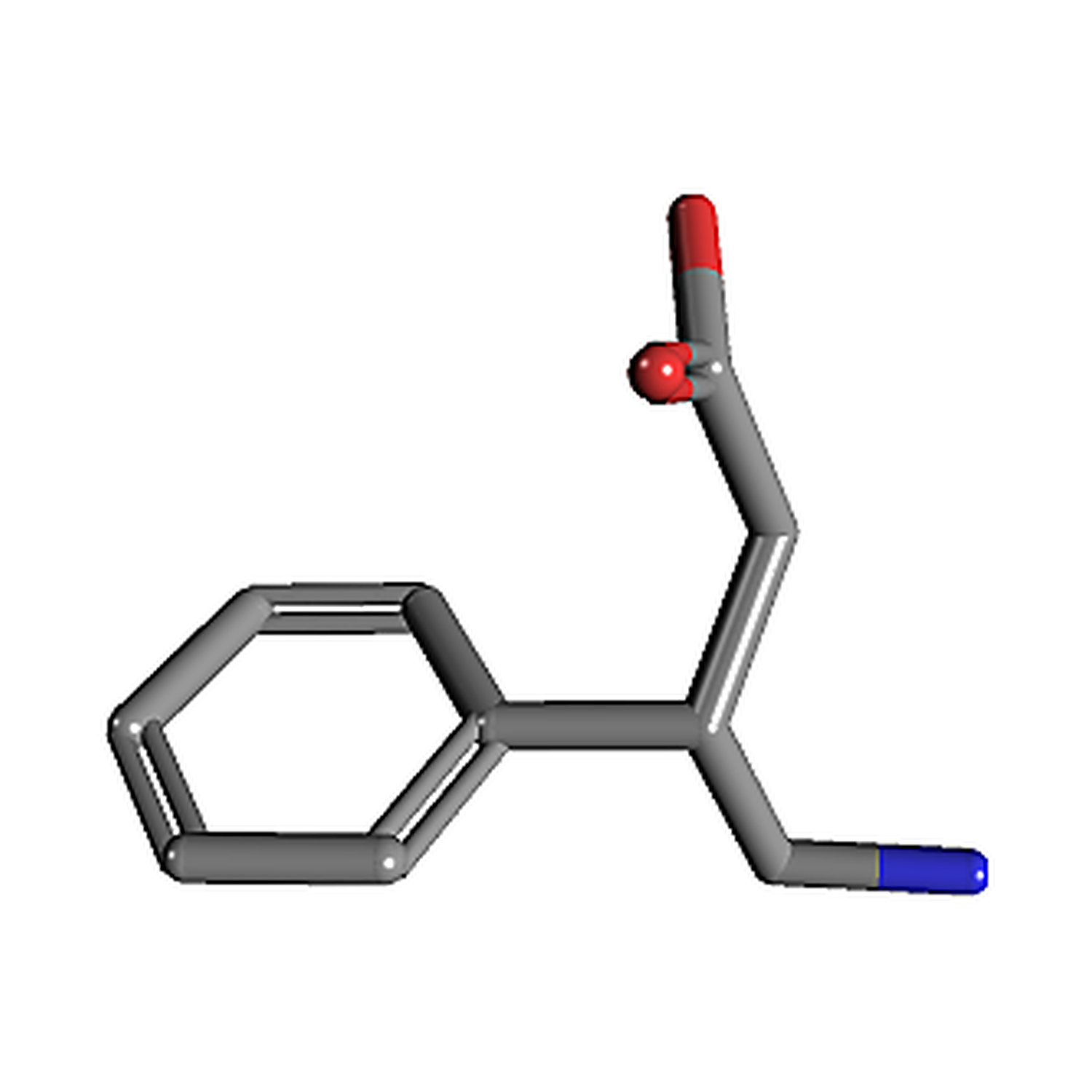
Phenibut er et phenylsubstitueret derivat af gamma-aminosmørsyre (GABA). Strukturelt består det af en fire-kulstof-rygrad med både en aminogruppe og en carboxylsyrefunktionalitet kombineret med en phenylringssubstitution i beta-positionen. Denne substitution resulterer i et hybridmolekyle, der indeholder både aminosyrekarakteristika og aromatiske strukturelle egenskaber.
Forbindelsen kan klassificeres som en substitueret aminosyreanalog. Tilstedeværelsen af både amin- og carboxylsyregrupper giver molekylet amfotere egenskaber, mens phenylringen tilfører aromatisk karakter og hydrofobe strukturelle elementer. Disse kombinerede domæner påvirker dets fysisk-kemiske og analytiske adfærd.
Som en substitueret gamma-aminosmørsyreanalog indeholder Phenibut en primær aminogruppe og en carboxylsyregruppe i samme molekylære struktur. Forbindelser af denne type kan udvise zwitterioniske egenskaber afhængigt af pH-forholdene. I saltform stabiliseres aminfunktionens protoneringstilstand gennem interaktion med hydrochlorid-modionen.
Tilstedeværelsen af både sure og basiske funktionelle grupper muliggør særskilt adfærd under forskellige analytiske forhold. Protoneringstilstand, ionstyrke og opløsningsmiddelmiljø kan påvirke kromatografisk retention og spektroskopisk respons.
Dette produkt leveres udelukkende som Phenibut hydrochlorid (HCl). I hydrochloridsaltform er amingruppen protoneret og associeret med en chlorid-modion. Saltdannelse forbedrer ofte stabilitet, håndteringsegenskaber og reproducerbarhed i analytiske arbejdsgange.
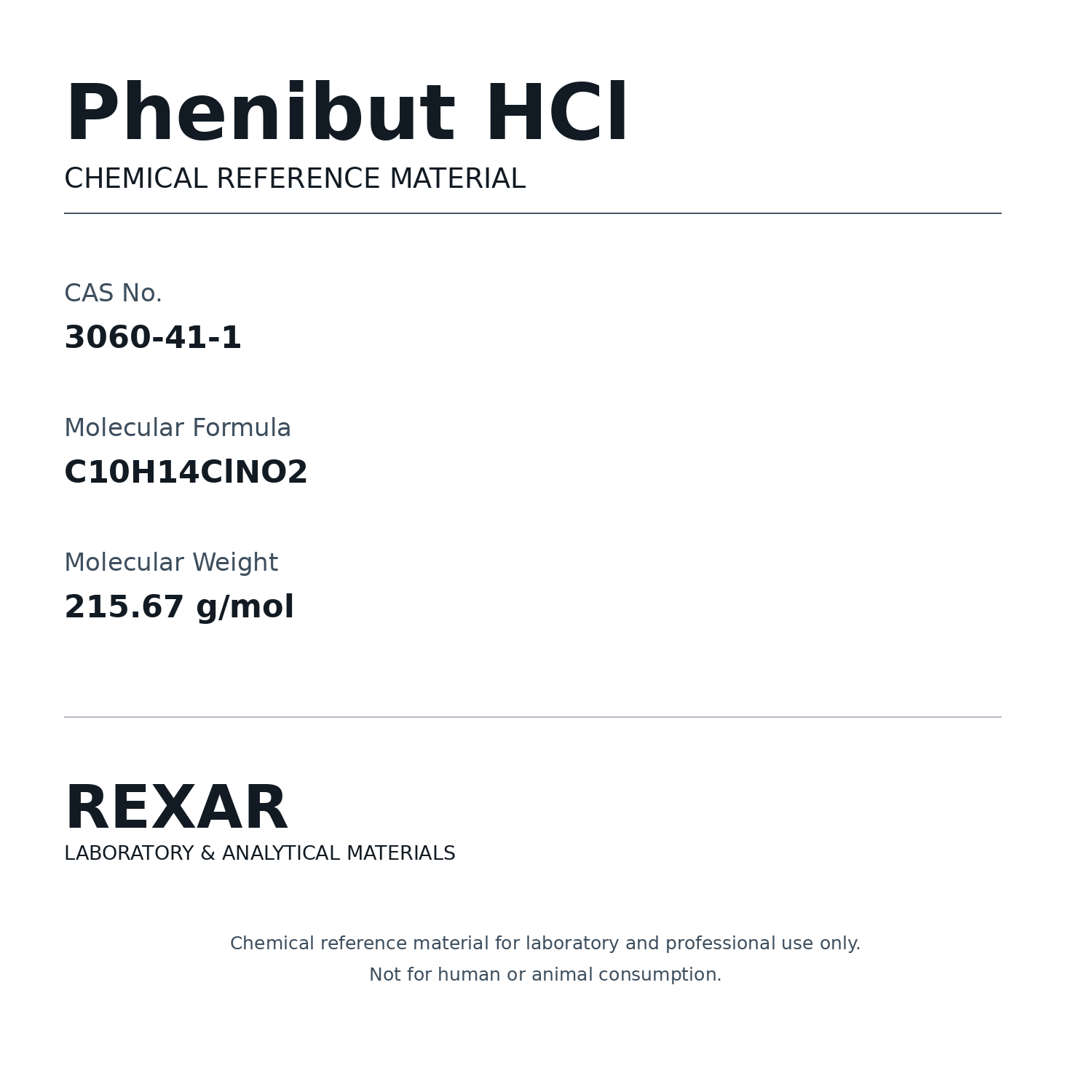
Kemiske identifikatorer og molekylære egenskaber kan variere mellem fri syre, fri base og saltformer. Medmindre andet udtrykkeligt er angivet, henviser alle referencedata på denne side til hydrochloridsaltet (CAS 3060-41-1).
Hydrochloridsalte forekommer ofte i analytisk kemi på grund af deres veldefinerede krystallinske adfærd og ensartede grundstofsammensætning. Tilstedeværelsen af chlorid kan om nødvendigt bekræftes ved elementanalyse.
Molekylformlen C10H13NO2 (hydrochloridsalt) beskriver en kovalent bundet struktur bestående af kulstof-, hydrogen-, nitrogen- og oxygenatomer arrangeret som en substitueret aminosyrekonfiguration. Phenylringen bidrager med aromatisk π-elektrondelokalisering, mens den alifatiske kæde indeholder sigma-bundne kulstofatomer, der danner smørsyrerygraden.
Aminfunktionen og carboxylsyregruppen genererer karakteristiske spektroskopiske signaler. I proton-NMR-spektroskopi fremkommer aromatiske protoner typisk i et kemisk skiftområde, der er adskilt fra protonerne i den alifatiske kæde. Carboxyl- og aminmiljøerne kan producere identificerbare signaler afhængigt af opløsningsmiddel og protoneringstilstand.
Infrarød spektroskopi kan afsløre absorptionsbånd svarende til carboxylsyrestrækningsvibrationer, N-H-strækningsformer og aromatiske ringvibrationer. Disse spektrale karakteristika understøtter strukturel bekræftelse i laboratoriemiljøer.
Phenibut hydrochlorid forekommer typisk som et hvidt krystallinsk pulver under standard laboratorieforhold. Krystallinske saltformer udviser ofte ensartet smelteadfærd og veldefineret faststofmorfologi.
Analytiske parametre relevante i laboratoriearbejdsgange kan omfatte:
Phenylsubstitutionen påvirker hydrofobe interaktioner under kromatografisk separation, mens den ioniske saltform kan påvirke opløselighedsegenskaber under definerede analytiske forhold.
Phenibut hydrochlorid er registreret under CAS-nummer 3060-41-1 og indekseret i internationale kemiske databaser. Registreringsposter omfatter typisk molekylære strukturdiagrammer, SMILES-notation, InChI-identifikatorer og klassifikationsmetadata relevante for substituerede aminosyrederivater.
Phenibut hydrochlorid kan anvendes som et kvalitativt referencemateriale i laboratoriearbejdsgange, der involverer strukturel verifikation og sammenlignende analyse af substituerede aminosyrederivater.
Den veldefinerede molekylære struktur og saltform bidrager til reproducerbare analytiske egenskaber under kontrollerede laboratorieforhold.
Som kemisk referencemateriale i forskningskvalitet leveres Phenibut hydrochlorid i forseglet laboratorieemballage for at bevare integriteten under opbevaring og transport. Intern batchmærkning understøtter sporbarhed i laboratoriers dokumentationssystemer.
Er dette hydrochloridformen (HCl)?
Ja. Dette materiale leveres udelukkende som Phenibut hydrochlorid (HCl).
Hvad er CAS-nummeret for Phenibut HCl?
CAS-nummeret for hydrochloridsaltet er 3060-41-1.
Er dette produkt beregnet til menneskelig eller animalsk brug?
Nej. Dette produkt leveres udelukkende som et laboratoriereferencemateriale.
Kan produktet sendes inden for EU?
Ja. Materialerne leveres via Rexars webshop i forseglet laboratorieemballage.
Phenibut hydrochlorid kan placeres inden for den bredere klasse af substituerede gamma-aminosmørsyreanaloger, som kombinerer aminosyrerygrader med aromatisk substitution. Inden for strukturel kemi analyseres forbindelser af denne type ofte med fokus på, hvordan aromatisk substitution ændrer fysisk-kemiske egenskaber sammenlignet med ikke-substituerede aminosyrer.
Gamma-aminosmørsyre-rygraden består af en fire-kulstofkæde, der afsluttes med en carboxylsyregruppe, mens aminogruppen er placeret i gamma-positionen. I Phenibut resulterer introduktionen af en phenylgruppe i beta-positionen i en modificeret kulstofstruktur, som indeholder både alifatiske og aromatiske domæner. Denne strukturelle ændring påvirker den samlede molekylmasse, steriske profil og analytiske adfærd sammenlignet med simple aminosyrer.
Aminosyrederivater med aromatisk substitution udviser ofte ændret kromatografisk retention sammenlignet med fuldt alifatiske analoger. I reversed-phase væskekromatografiske systemer kan aromatiske ringe øge hydrofobe interaktioner med den stationære fase og dermed påvirke retentionstiden under kontrollerede opløsningsmiddelgradienter. Hydrochloridsaltets ioniske natur bidrager yderligere til adfærden i vandige-organiske mobile faser.
Fra et strukturelt verifikationsperspektiv kan substituerede GABA-analoger differentieres ved hjælp af kombinerede spektroskopiske og kromatografiske teknikker. Proton-NMR-spektre viser typisk tydelige aromatiske protonsignaler adskilt fra protonerne i den alifatiske kæde. Methylen-grupperne i smørsyrerygraden genererer karakteristiske signaler, som kan skelnes fra phenylringens miljø. Kulstof-13 NMR-analyse kan yderligere bekræfte substitutionsmønstre og integriteten af kulstofskelettet.
I infrarød spektroskopi bidrager både amin- og carboxylfunktionaliteter med identificerbare absorptionsbånd. Carboxylsyregruppen kan vise karakteristiske strækningsvibrationer, mens den protonerede amingruppe i hydrochloridsaltform kan generere særskilte N-H-relaterede bånd. Aromatiske C-H-strækninger og ringvibrationsmønstre giver yderligere strukturel bekræftelse.
Hydrochloridsaltformen spiller en vigtig rolle for materialekonsistens og analytisk reproducerbarhed. Saltdannelse stabiliserer den protonerede amingruppe og skaber en veldefineret ionisk forbindelse med chlorid som modion. Ved elementanalyse kan chloridindhold verificeres sammen med kulstof-, hydrogen- og nitrogenprocenter for at bekræfte sammensætningen.
Krystallinske saltformer udviser ofte reproducerbar smelteadfærd og veldefinerede hygroskopiske egenskaber under kontrollerede fugtighedsforhold. Korrekt opbevaring i forseglede beholdere beskytter mod fugtabsorption og hjælper med at bevare materialets konsistens over længere perioder.
Ved sammenligning af Phenibut hydrochlorid med strukturelt beslægtede substituerede aminosyrer definerer forskelle i substitutionsmønstre og aromatisk inkorporering registreringsklassifikation og molekylære deskriptorer. Internationale kemiske registre indeholder strukturelle identifikatorer såsom SMILES-strenge og InChI-koder, der giver maskinlæsbare repræsentationer af molekylet til dokumentation og databasekrydsreferencer.
Kombinationen af aminosyrefunktionalitet, aromatisk substitution og veldefineret saltform etablerer Phenibut hydrochlorid som en strukturelt særskilt småmolekylær forbindelse. Disse egenskaber danner grundlaget for anvendelsen som kemisk referencemateriale i kontrollerede laboratoriemiljøer med fokus på analytisk verifikation og strukturel sammenligning.
Dette produkt er udelukkende beregnet til laboratorieforskning. Det er ikke beregnet til menneskeligt eller animalsk forbrug eller til medicinske, diagnostiske eller terapeutiske anvendelser. Anvendelse er begrænset til passende forskningsmiljøer.
| Intended use: | Laboratory research and analytical reference purposes only |
| Application area: | Analytical chemistry, reference comparison and method development |
| End user: | Professional users in controlled research environments |
| Regulatory classification: | Chemical reference material |