es
Cesta
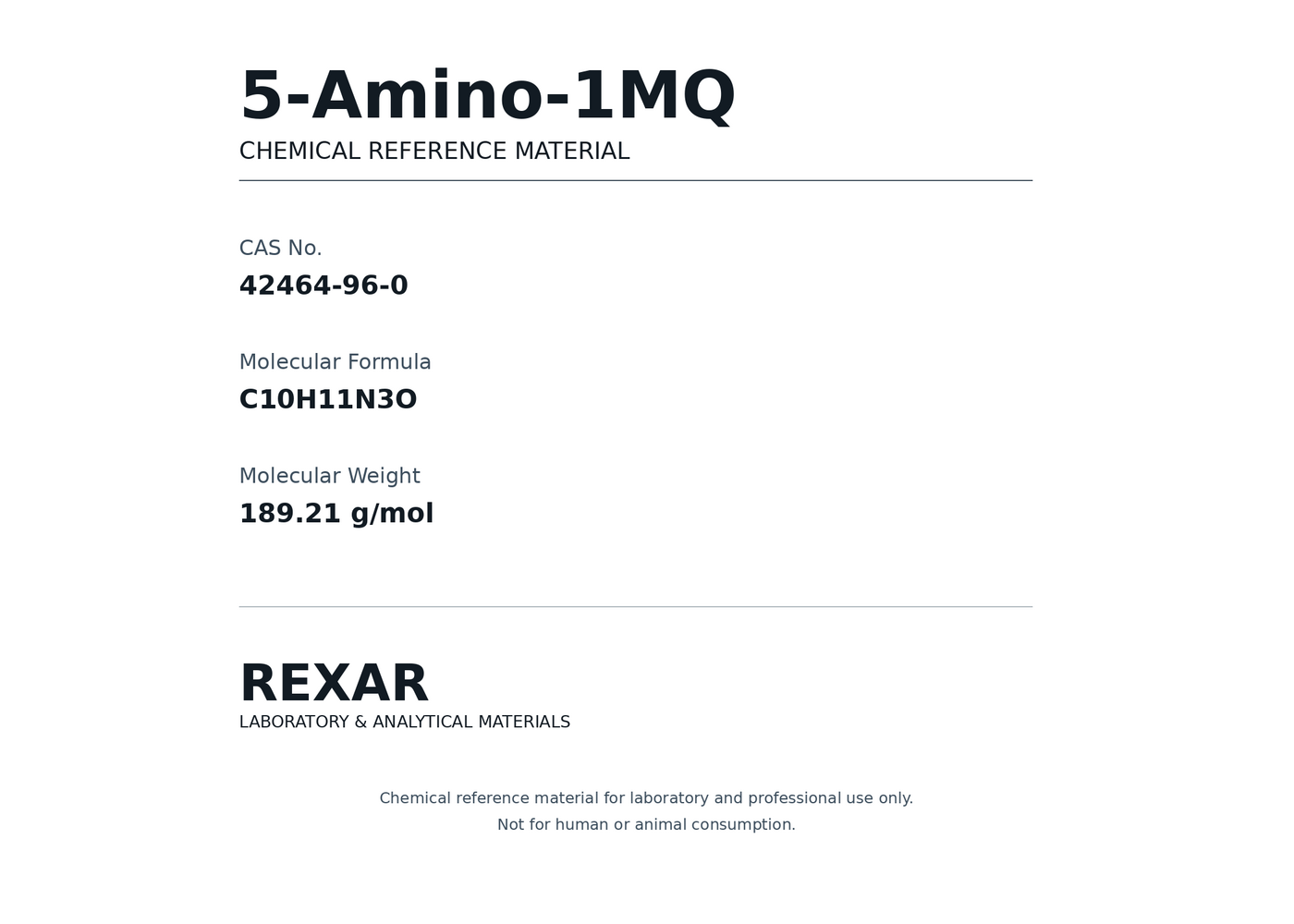
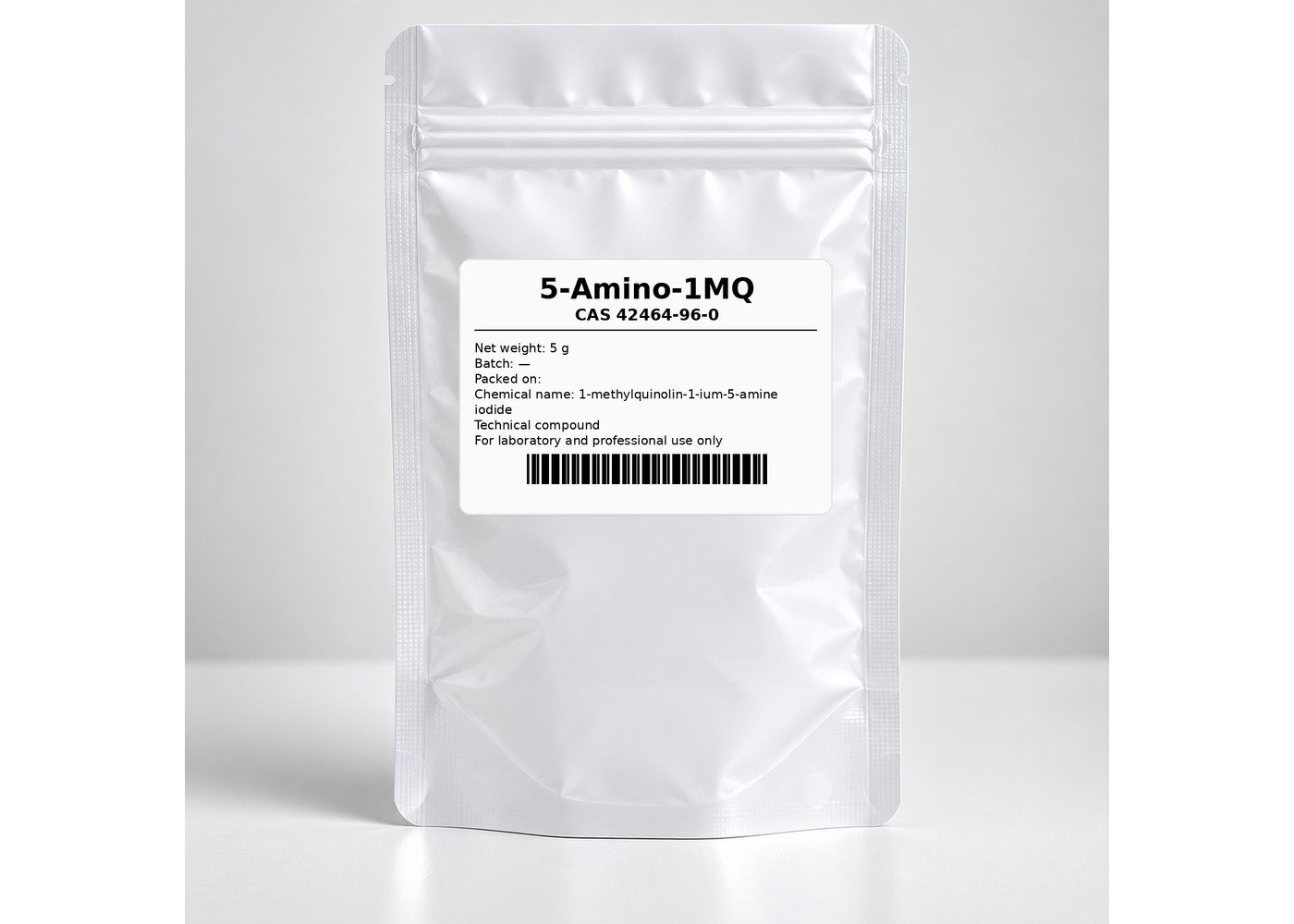
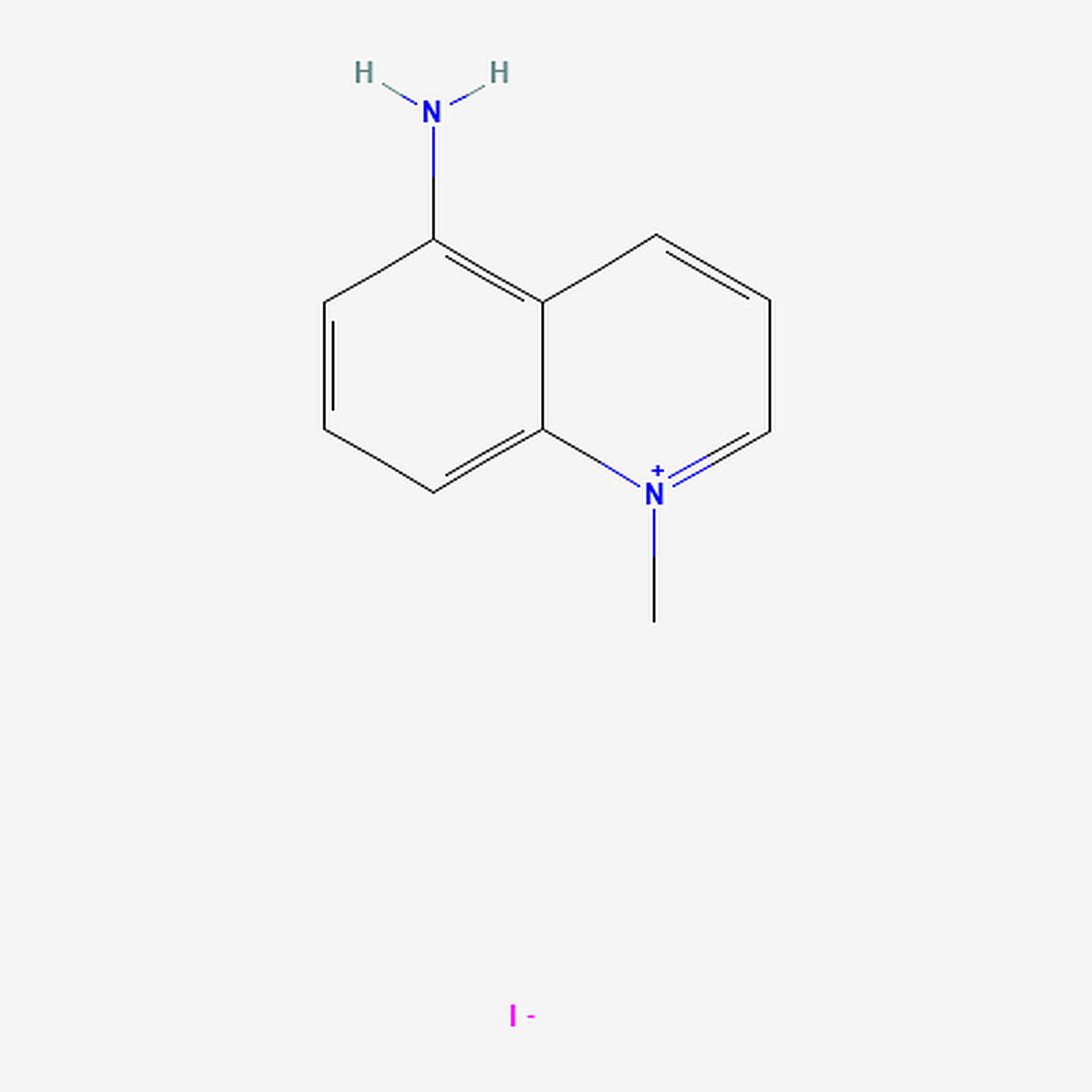
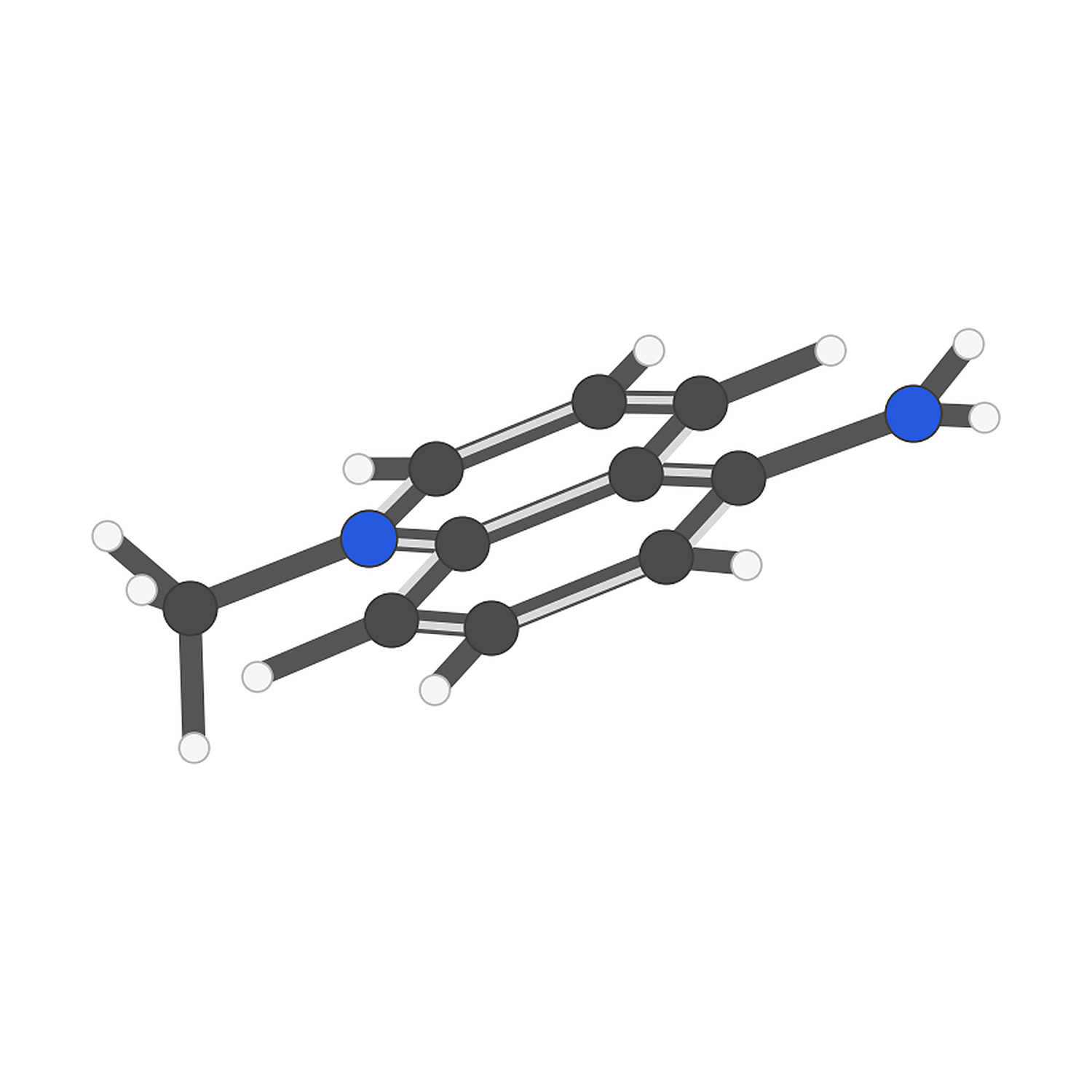
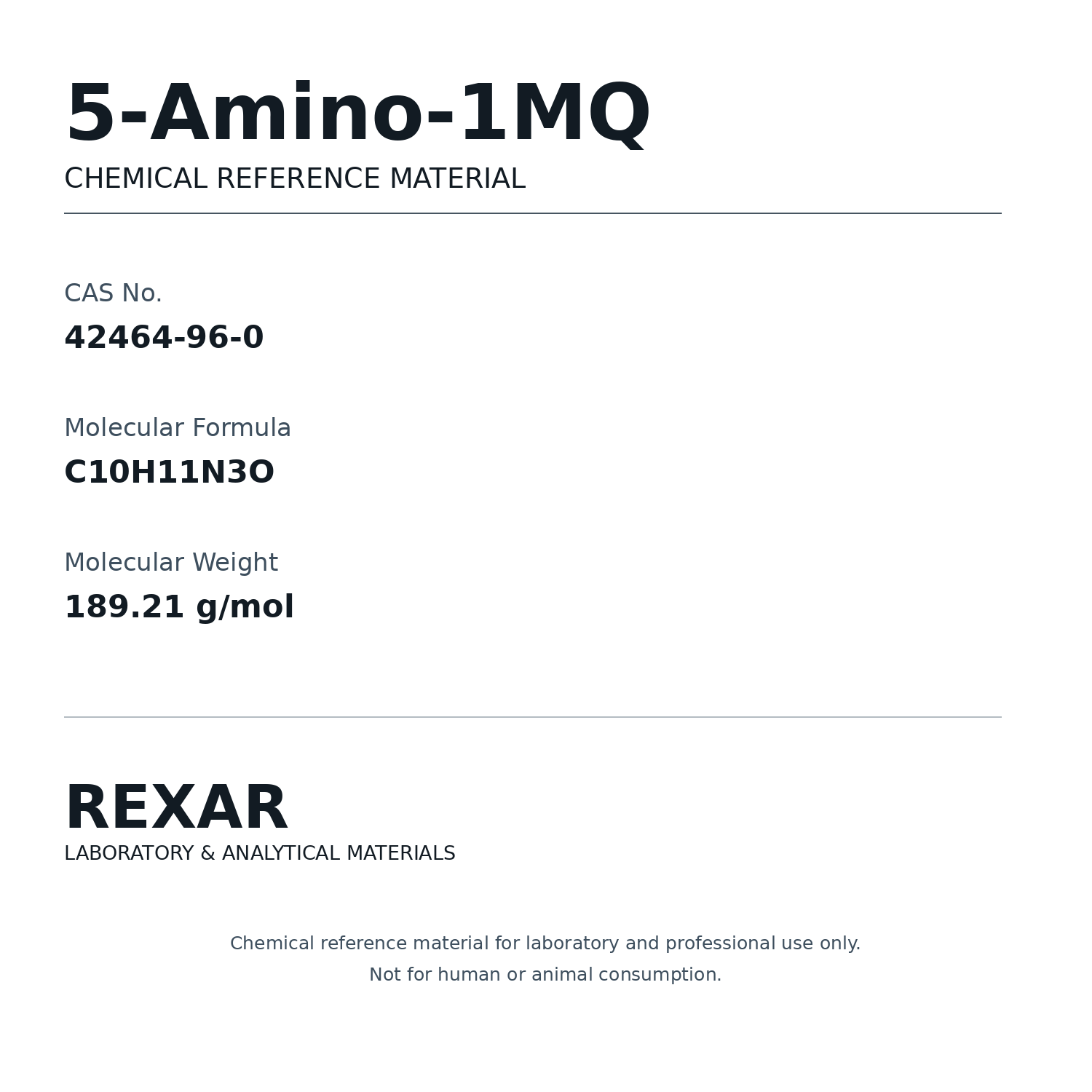
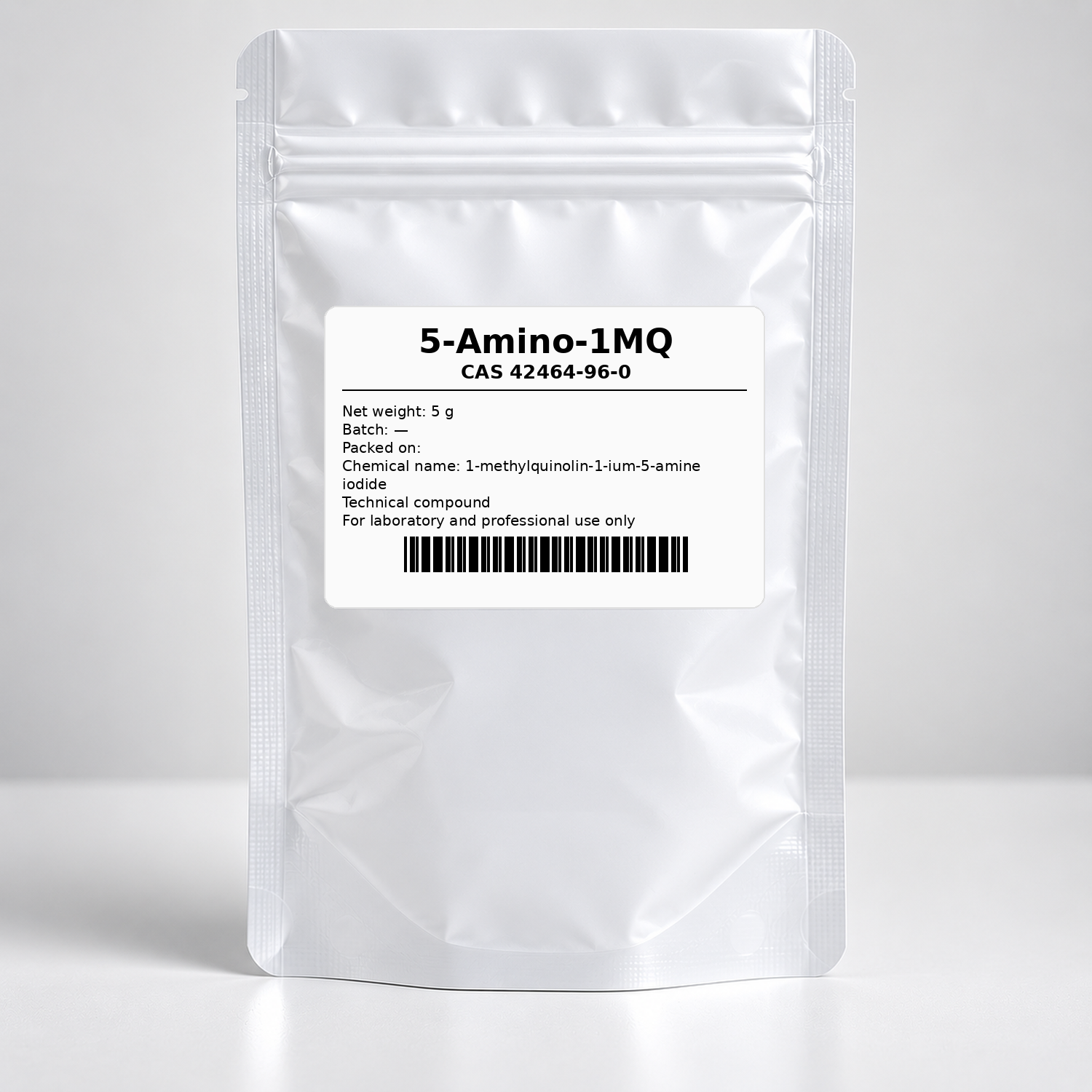

5-Amino-1MQ (CAS 42464-96-0) es suministrado por Rexar como material de referencia químico de calidad investigación para química analítica, verificación estructural y procedimientos comparativos de laboratorio. Este compuesto se proporciona exclusivamente para entornos de investigación controlados que requieren identidad química confirmada, comportamiento analítico reproducible y estándares documentales consistentes.
Material de calidad investigación distribuido por Rexar dentro de la Unión Europea.
5-Amino-1MQ está disponible directamente a través de la tienda online de Rexar y se suministra en envases de laboratorio sellados para su distribución dentro de la Unión Europea.
Rexar Technical Compound Datasheet (PDF)
Ficha de Datos de Seguridad (SDS)
Documentación: Consulte la FDS y la ficha técnica de este producto o explore nuestra Documentación técnica.
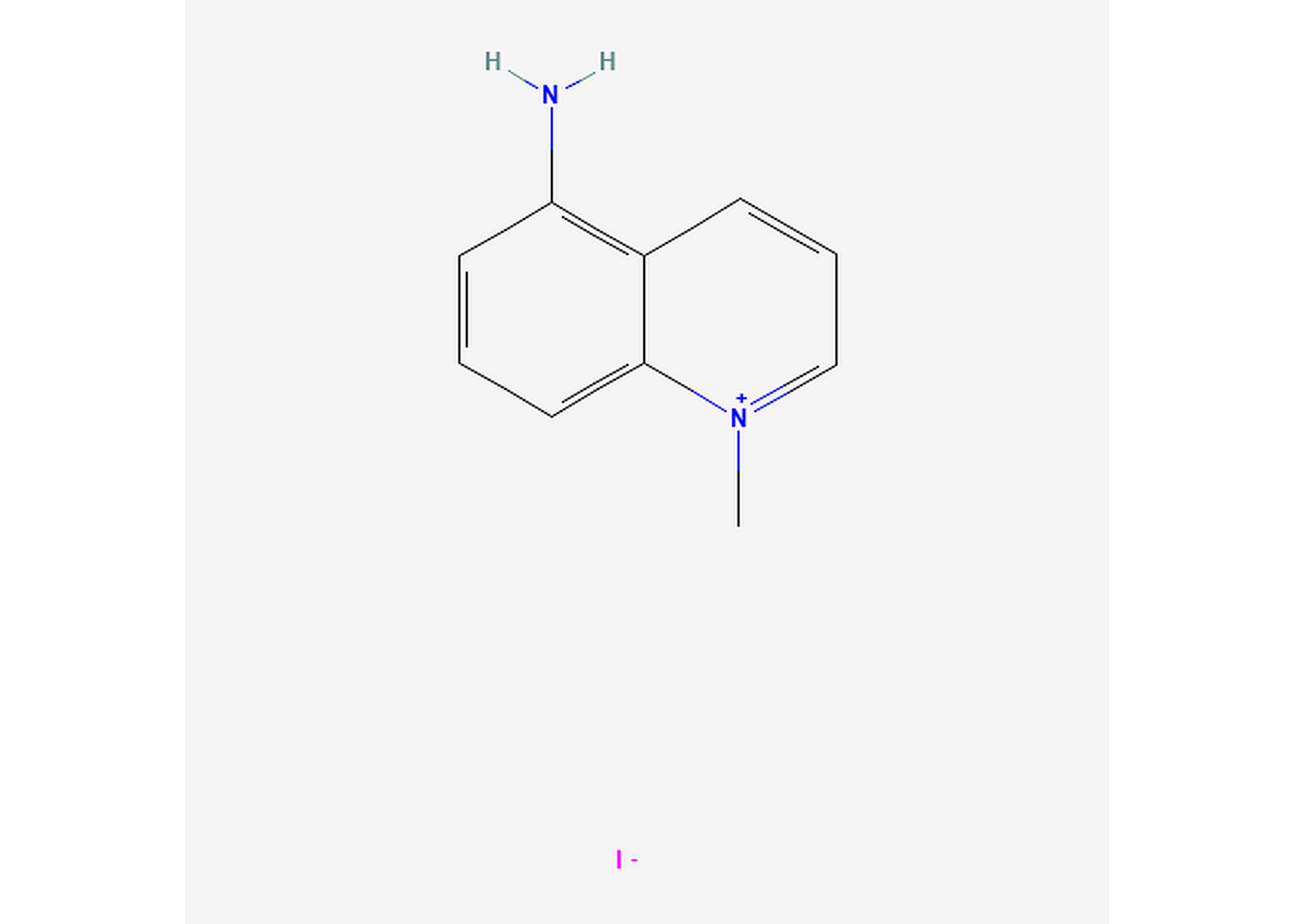
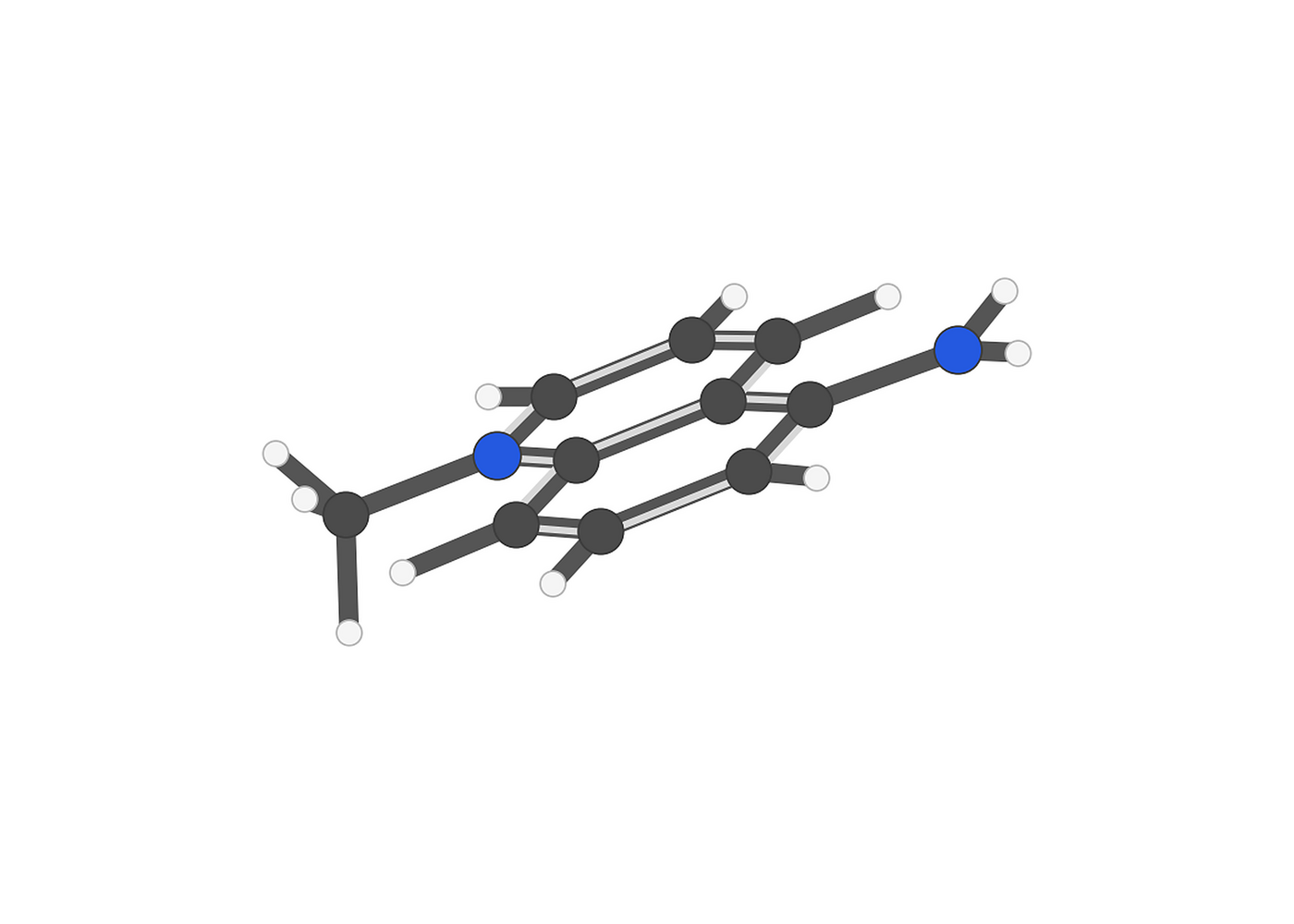
5-Amino-1MQ es un compuesto aromático derivado del quinolinio que presenta un sistema bicíclico fusionado (estructura de quinolina/quinolinio), un nitrógeno del anillo metilado y un sustituyente amino. La estructura presenta un núcleo aromático rígido y plano que favorece firmas espectroscópicas predecibles y un comportamiento cromatográfico consistente bajo condiciones controladas de laboratorio.
La presencia de un centro catiónico de quinolinio (nitrógeno del anillo N-metilado) influye en la polaridad y en el potencial de interacción con fases móviles y estacionarias en métodos cromatográficos. El grupo amino introduce una funcionalidad adicional que puede afectar las interacciones por puentes de hidrógeno y la distribución de desplazamientos químicos observados en análisis RMN.
Las estructuras basadas en quinolina se caracterizan por un sistema fusionado benceno-piridina. Los derivados de quinolinio suelen formarse cuando el nitrógeno del anillo se cuaterniza, generando un heterociclo aromático permanentemente cargado. Esta cuaternización puede aumentar el potencial de interacción en sistemas mixtos de disolventes acuosos e influir en los perfiles de retención dependientes de tampones o agentes de emparejamiento iónico.
5-Amino-1MQ contiene varios grupos funcionales relevantes para la química analítica:
El sistema aromático favorece una fuerte absorción UV, mientras que el grupo amino puede contribuir a señales vibracionales N–H características en espectroscopía infrarroja. El nitrógeno cuaternario puede influir en los patrones de fragmentación observados en espectrometría de masas y afectar la selectividad cromatográfica dependiendo de las condiciones del método.
La fórmula molecular C10H11N3O corresponde a una estructura aromática compacta con sustitución por heteroátomos. El sistema aromático fusionado favorece la deslocalización electrónica π, mientras que el nitrógeno cuaternizado introduce un centro deficiente en electrones que modifica la distribución electrónica a través del sistema aromático.
El sustituyente amino puede aportar densidad electrónica al sistema aromático mediante efectos de resonancia, lo que puede influir en la intensidad de absorción UV y en los desplazamientos químicos observados para posiciones aromáticas vecinas.
Espectroscopía RMN: Los espectros de RMN de protones suelen mostrar señales aromáticas en la región esperada para heterociclos aromáticos fusionados, junto con una señal distintiva del grupo N-metilo. El grupo amino puede presentar resonancias amplias dependiendo del disolvente y de las condiciones de intercambio. La RMN de carbono-13 permite resolver los carbonos aromáticos y el carbono metílico unido al nitrógeno cuaternario.
Espectroscopía infrarroja: Se esperan bandas asociadas a estiramientos C–H aromáticos y vibraciones del sistema aromático, junto con señales N–H correspondientes al grupo amino. Dependiendo de la forma salina o contraión, pueden observarse bandas adicionales.
Espectroscopía UV-Visible: El heterociclo aromático conjugado favorece transiciones π→π*, permitiendo su detección mediante sistemas cromatográficos equipados con detectores UV o de arreglo de fotodiodos.
5-Amino-1MQ puede presentar un comportamiento de retención definido en sistemas de fase inversa, con una selectividad dependiente del método influida por su carácter catiónico. La composición de la fase móvil, la fuerza iónica y la selección de pH o tampón pueden afectar la forma de los picos y los tiempos de retención. Bajo condiciones controladas pueden obtenerse perfiles reproducibles de retención y simetría de pico.
La espectrometría de masas permite confirmar un peso molecular de 189.21 g/mol. Las rutas de fragmentación pueden incluir escisiones o reorganizaciones dentro del heterociclo aromático y la formación de fragmentos relacionados con los sustituyentes, ayudando a la verificación de identidad durante los procedimientos analíticos.
5-Amino-1MQ suele suministrarse como un polvo fino adecuado para su manipulación en laboratorio. Los heterociclos aromáticos y sus sales relacionadas suelen mostrar una buena estabilidad en estado sólido cuando se almacenan en condiciones secas y oscuras dentro de envases sellados.
Las bases de datos químicas internacionales codifican 5-Amino-1MQ mediante cadenas SMILES canónicas e identificadores InChI, facilitando una representación digital precisa y la compatibilidad con sistemas de gestión de información de laboratorio (LIMS) y procedimientos documentales.
Como material de referencia químico de calidad investigación, 5-Amino-1MQ se suministra en envases de laboratorio sellados para mantener su integridad durante el transporte y almacenamiento. La identificación clara de lotes favorece la trazabilidad y la documentación interna de laboratorio.
¿Cuál es el número CAS de 5-Amino-1MQ?
El número CAS de 5-Amino-1MQ es 42464-96-0.
¿En qué forma se suministra 5-Amino-1MQ?
Este producto se suministra como un polvo de calidad laboratorio en envases de laboratorio sellados.
¿Está destinado este producto al uso humano o animal?
No. Este material se suministra exclusivamente como compuesto de referencia para laboratorio.
¿Está disponible 5-Amino-1MQ para envío dentro de la UE?
Sí. Los pedidos se suministran a través de la tienda online de Rexar en envases de laboratorio sellados.
El sistema aromático fusionado favorece la deslocalización electrónica π a través del marco de quinolina. La cuaternización del nitrógeno introduce una carga positiva permanente que influye en la distribución electrónica y puede modificar los desplazamientos químicos observados y las características de absorción UV en comparación con análogos neutros de quinolina.
El grupo amino puede actuar como donador y aceptor de puentes de hidrógeno bajo condiciones apropiadas, lo que puede influir en el comportamiento de solubilidad y en las interacciones con fases cromatográficas. En estado sólido, las interacciones intermoleculares que involucran el grupo amino pueden contribuir a las características de empaquetamiento cristalino.
Debido a su carácter catiónico, el desarrollo de métodos puede requerir la evaluación de la composición del tampón y de la fuerza iónica para lograr una forma de pico óptima y una retención reproducible. En procedimientos avanzados pueden considerarse estrategias de emparejamiento iónico o fases estacionarias alternativas cuando se requiere selectividad entre cationes heteroaromáticos relacionados.
Este producto está destinado exclusivamente a la investigación de laboratorio. No está destinado al consumo humano o animal ni a aplicaciones médicas, diagnósticas o terapéuticas. Este compuesto no está destinado a diagnosticar, tratar, curar ni prevenir ninguna enfermedad.
| Intended use: | Laboratory research and analytical reference purposes only |
| Application area: | Analytical chemistry, reference comparison and method development |
| End user: | Professional users in controlled research environments |
| Regulatory classification: | Chemical reference material |