es
Cesta
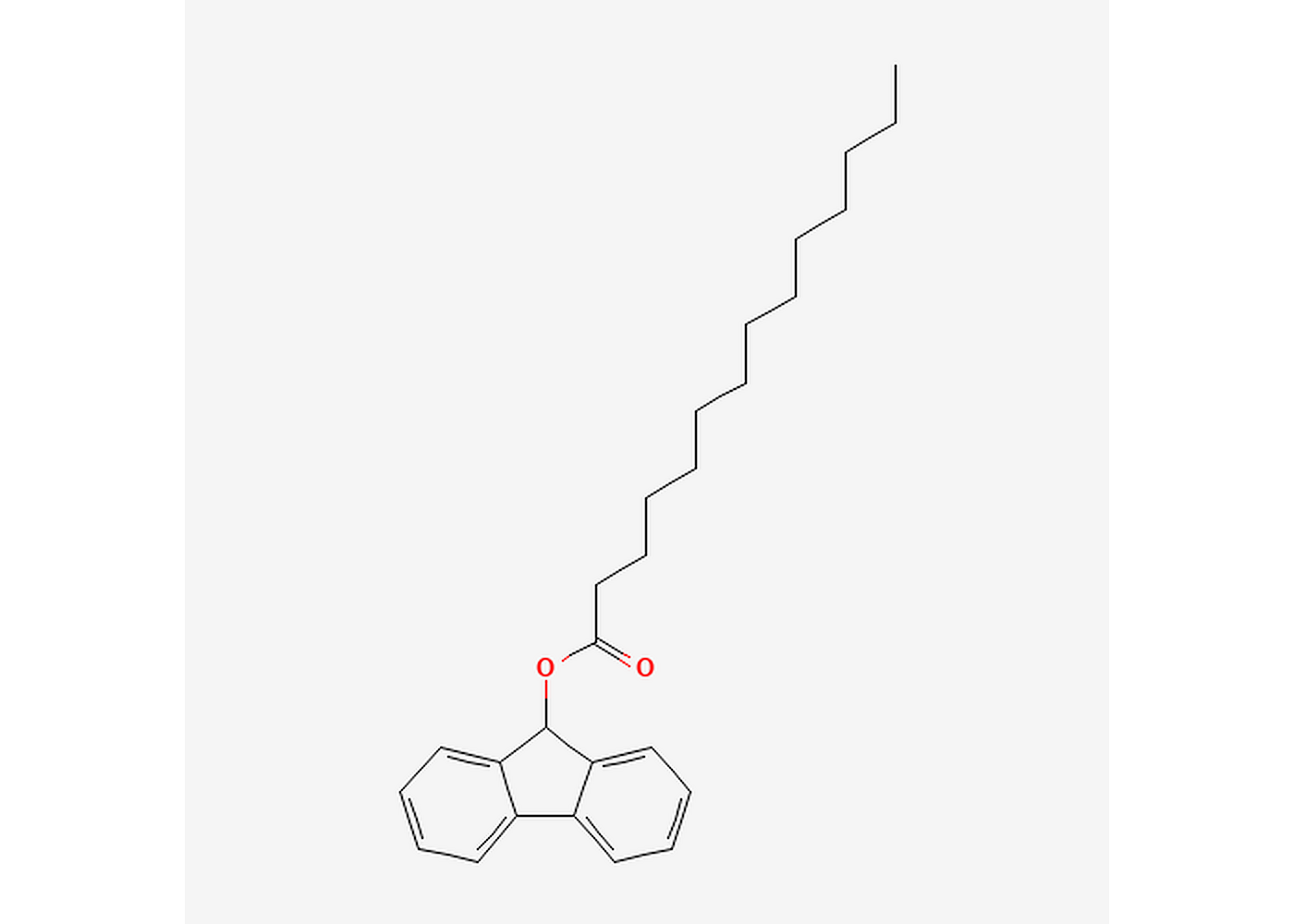
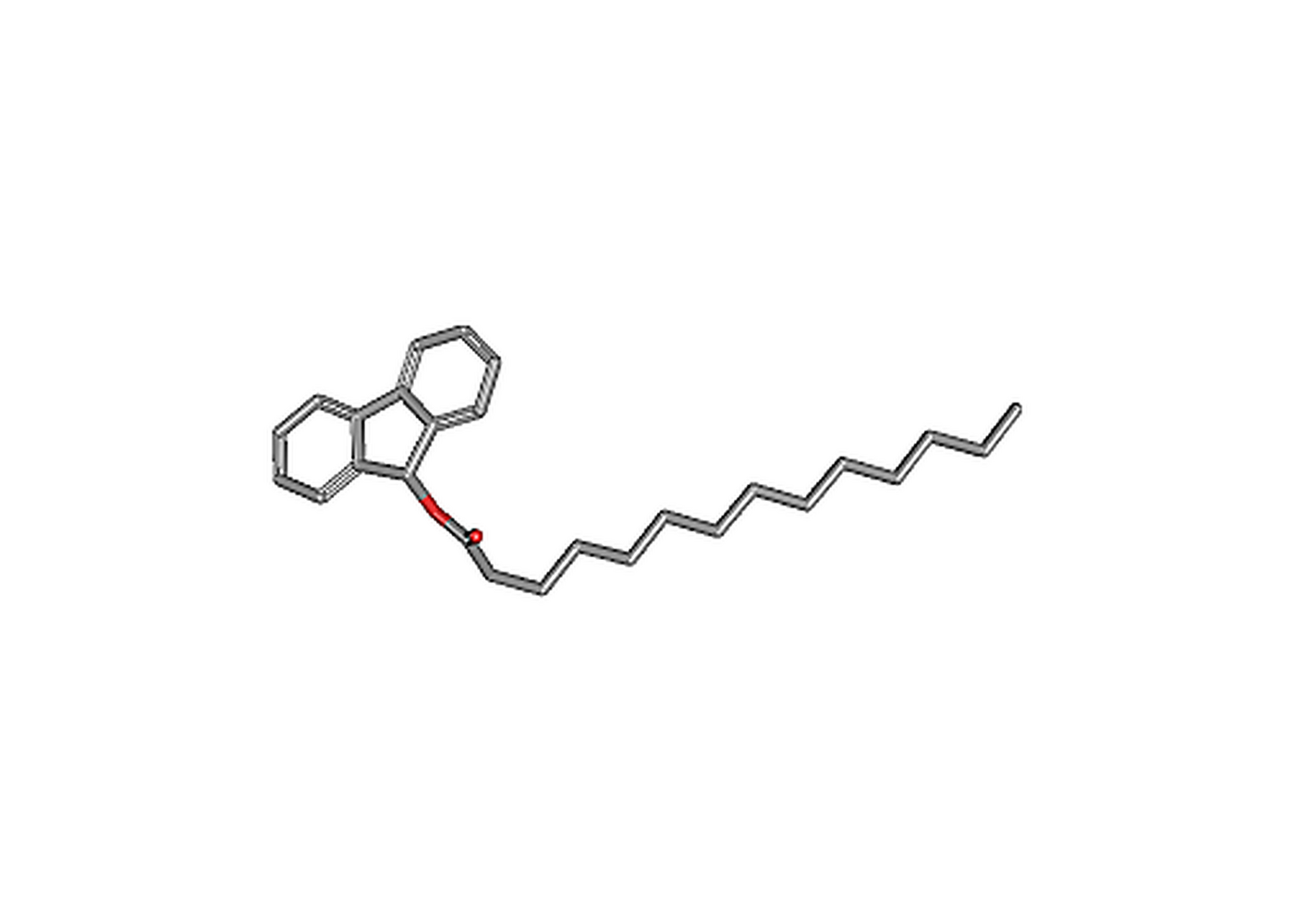
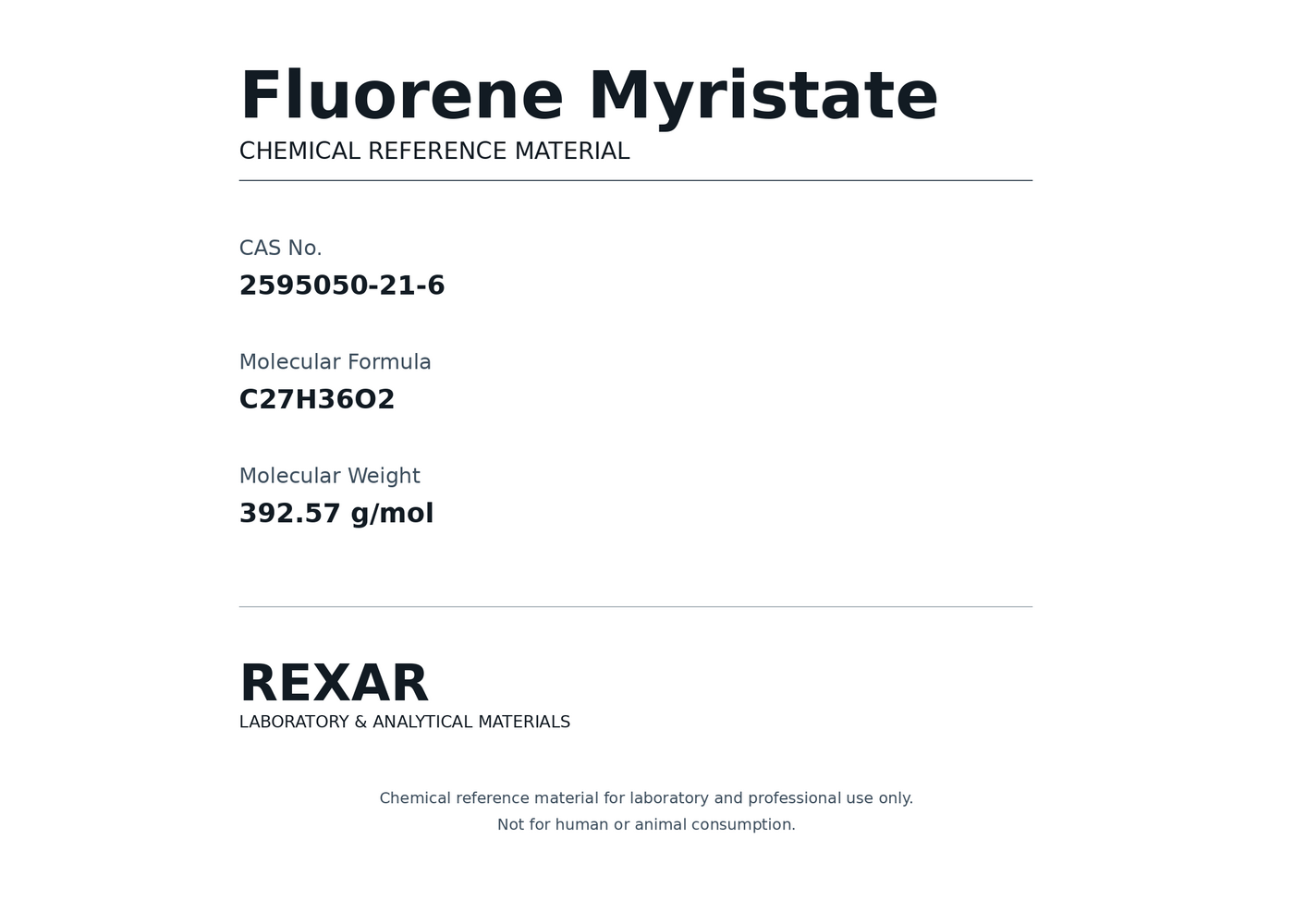
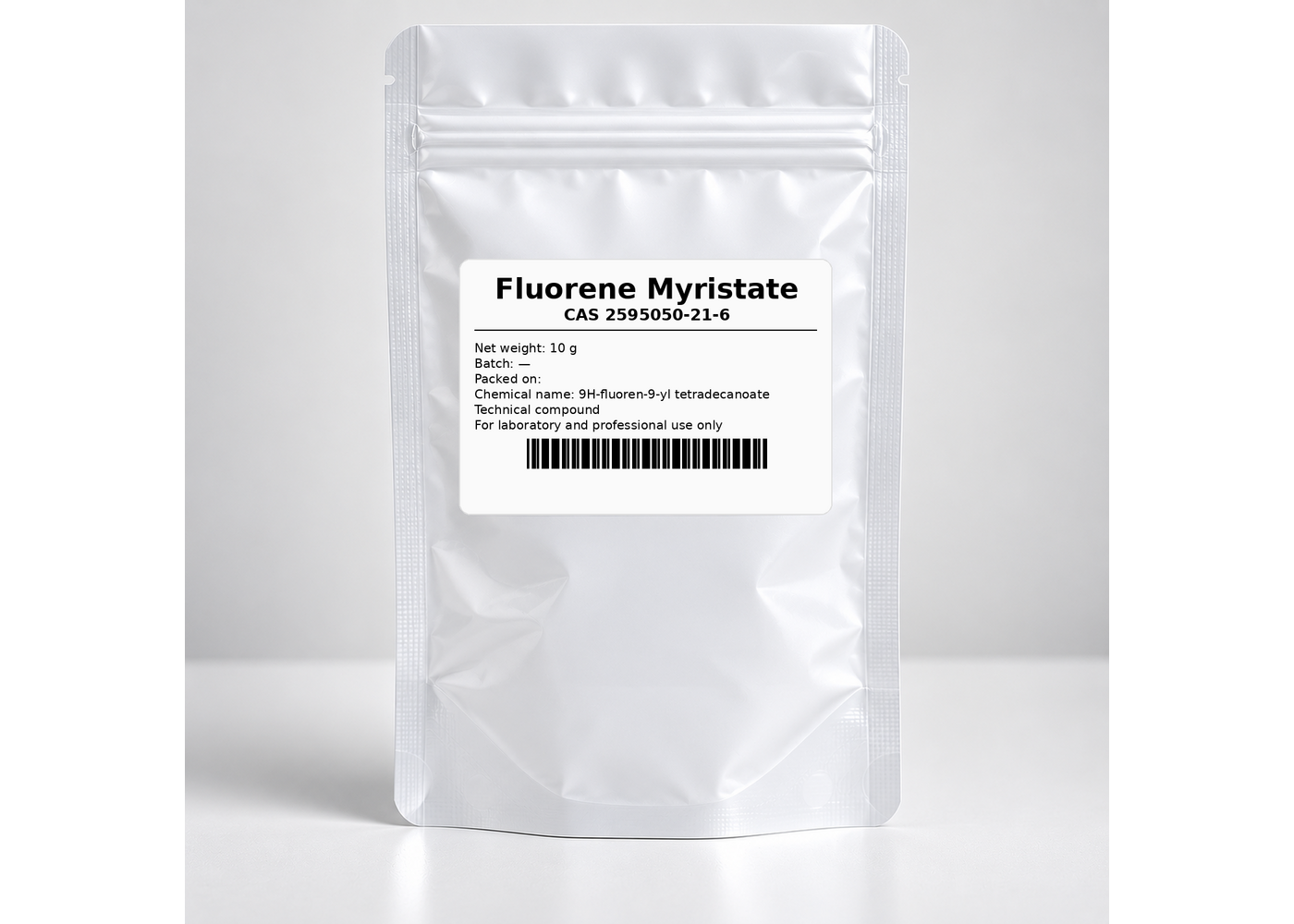
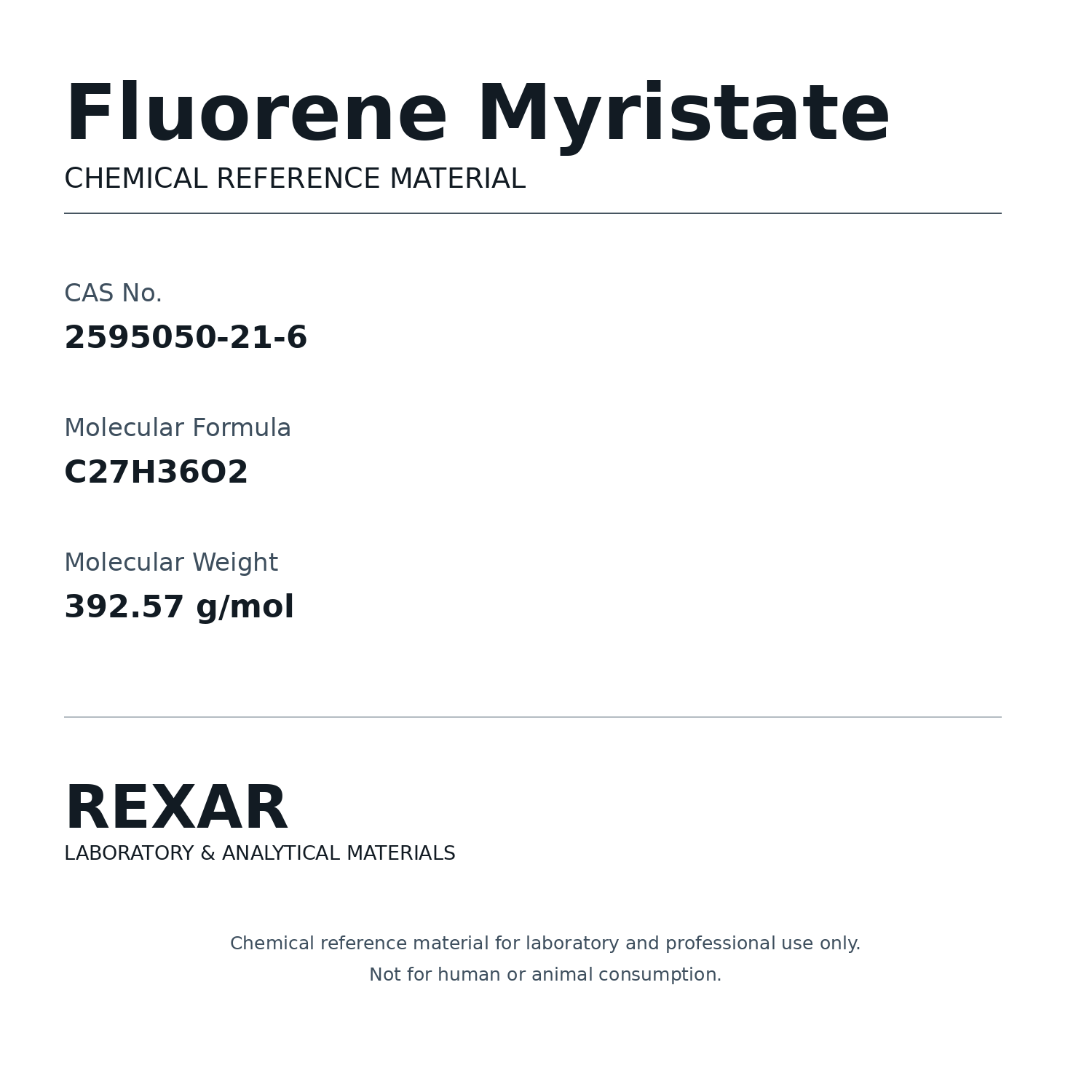
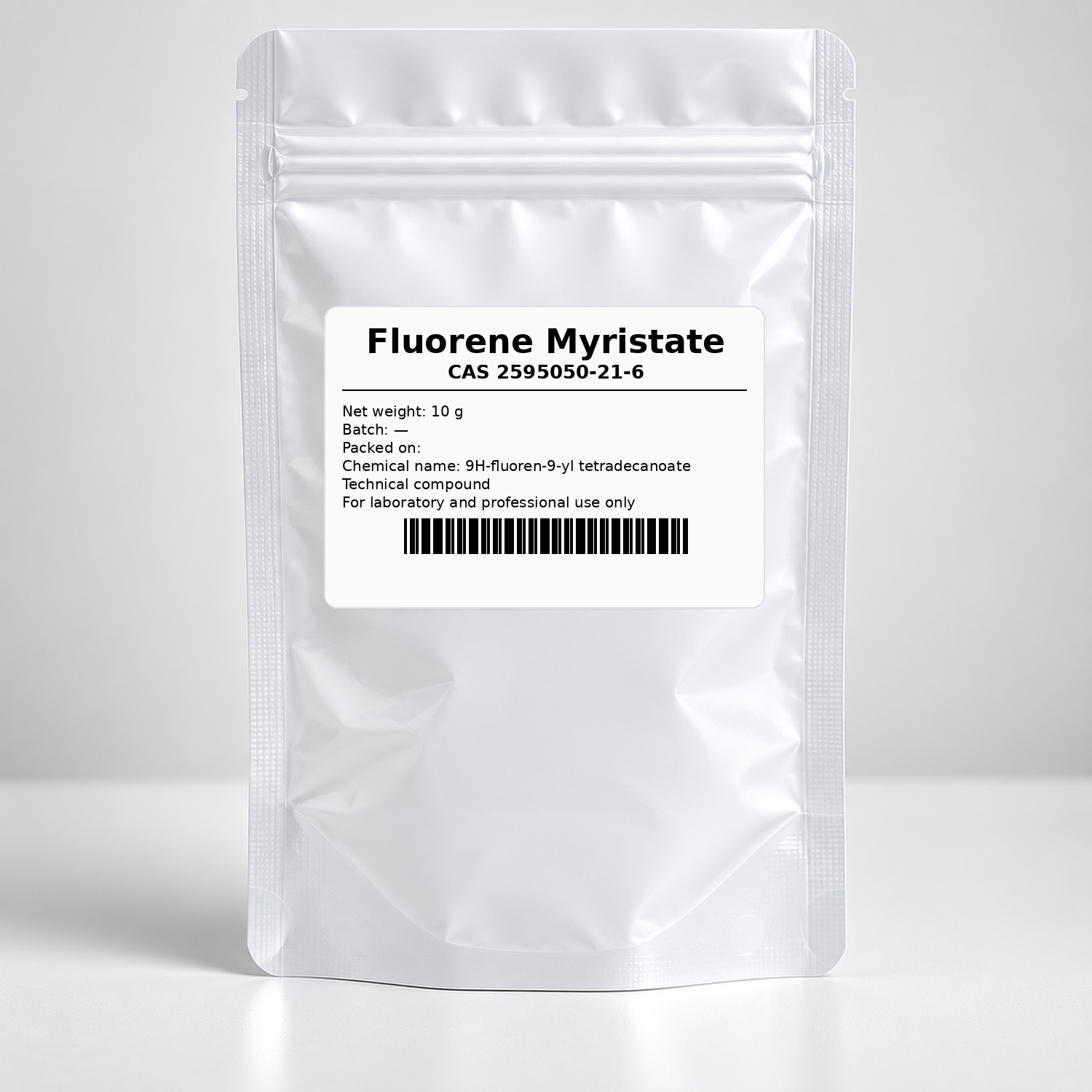

Fluorene Myristate es suministrado por Rexar como material de referencia químico de calidad investigación para química analítica, verificación estructural y procedimientos comparativos de laboratorio. Este compuesto se proporciona exclusivamente para entornos de investigación controlados que requieren identidad química confirmada, comportamiento analítico reproducible y estándares documentales consistentes.
Material de calidad investigación distribuido por Rexar dentro de la Unión Europea.
Fluorene Myristate está disponible directamente a través de la tienda online de Rexar y se suministra en envases de laboratorio sellados para su distribución dentro de la Unión Europea.
Rexar Technical Compound Datasheet (PDF)
Ficha de Datos de Seguridad (SDS)
Documentación: Consulte la FDS y la ficha técnica de este producto o explore nuestra Documentación técnica.
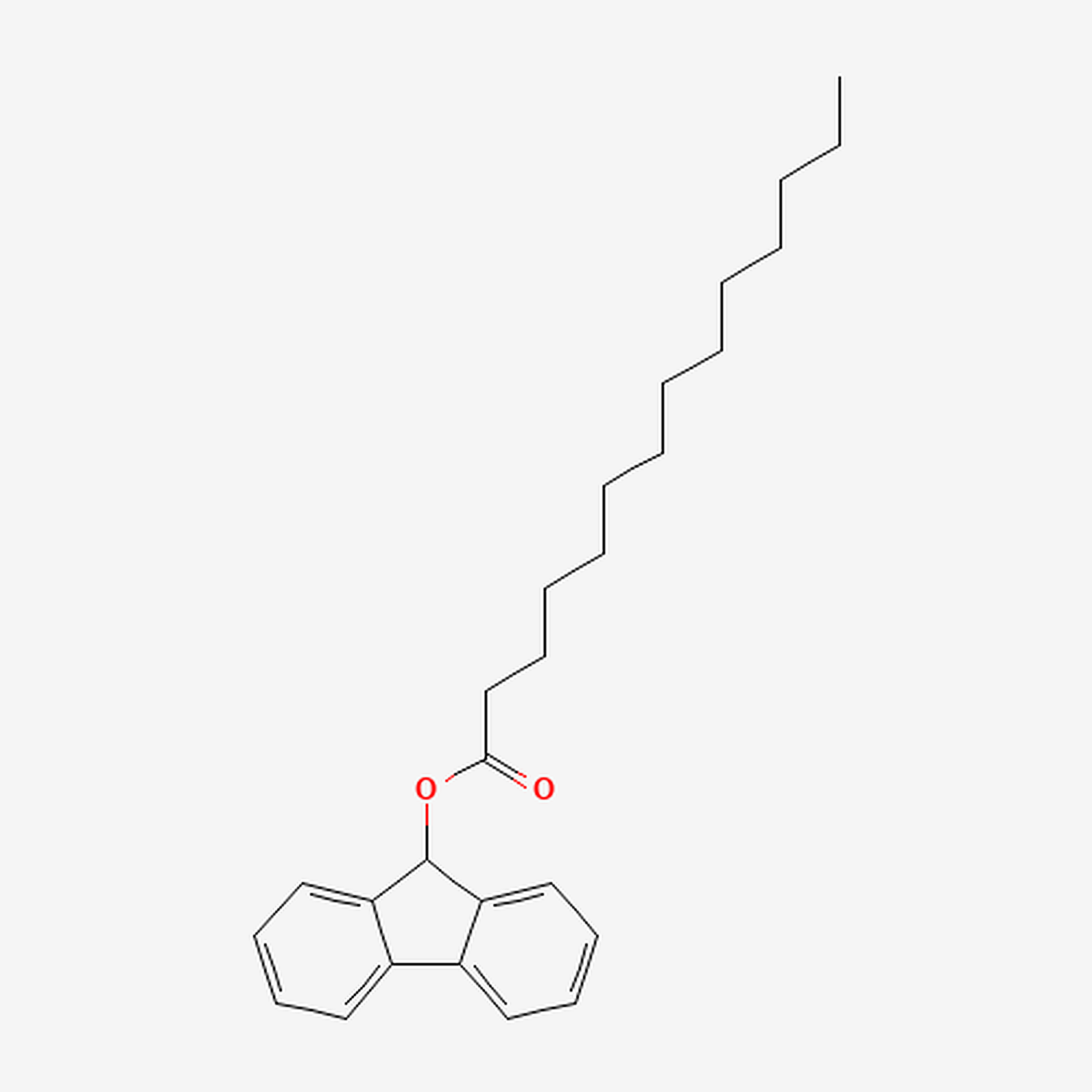
Fluorene Myristate es un éster aromático derivado del hidrocarburo policíclico fluoreno y del ácido graso de cadena larga ácido mirístico (ácido tetradecanoico). La molécula combina un núcleo rígido aromático de fluoreno con una cadena éster alifática altamente hidrofóbica.
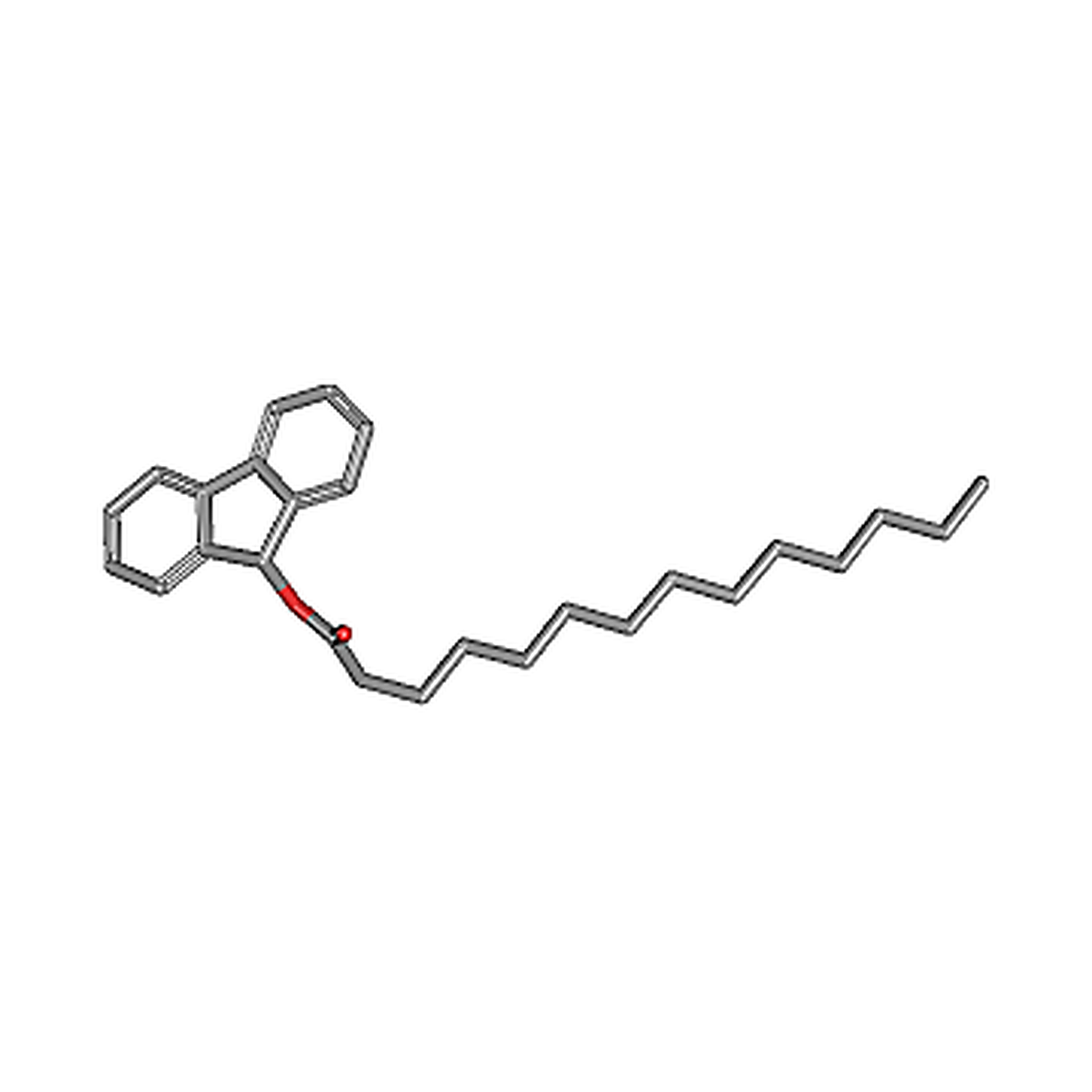
La estructura de fluoreno está formada por dos anillos bencénicos fusionados mediante un anillo central de cinco miembros, creando un sistema aromático prácticamente plano. La esterificación con ácido mirístico introduce una larga cadena hidrocarbonada que incrementa significativamente el carácter hidrofóbico y modifica el comportamiento cromatográfico en sistemas de fase inversa.
Los derivados de fluoreno se basan en una estructura aromática policíclica formada por dos anillos de benceno unidos mediante un grupo metileno puente. Esta arquitectura favorece una amplia deslocalización electrónica π y genera firmas espectroscópicas características detectables mediante análisis UV-visible y RMN.
La modificación funcional del fluoreno en la posición 9 permite la formación de derivados éster, como Fluorene Myristate, donde el sistema aromático se encuentra unido a cadenas de ácidos grasos u otros sustituyentes.
Fluorene Myristate contiene múltiples grupos funcionales relevantes para la química analítica:
El grupo carbonilo del éster suele producir bandas intensas de absorción en espectroscopía infrarroja, mientras que el núcleo aromático de fluoreno aporta vibraciones características del anillo y bandas de absorción UV.
La estructura combina una cadena alifática hidrofóbica con un núcleo aromático plano de fluoreno. El sistema aromático favorece la deslocalización electrónica π, mientras que el enlace éster introduce polaridad y establece la conexión entre los dominios aromático y alifático.
Esta combinación genera una molécula con una superficie hidrofóbica pronunciada y una interacción predecible con fases estacionarias cromatográficas no polares.
Espectroscopía RMN: Las señales aromáticas procedentes del núcleo de fluoreno aparecen dentro del rango habitual para sistemas aromáticos policíclicos. Las señales alifáticas derivadas de la cadena miristato aparecen a desplazamientos químicos más bajos, correspondientes a grupos metileno y metilo terminal.
Espectroscopía infrarroja: El estiramiento del carbonilo del éster suele observarse como una banda intensa de absorción. También aparecen bandas asociadas a vibraciones aromáticas y a estiramientos C–H alifáticos.
Espectroscopía UV-Visible: El sistema aromático conjugado de fluoreno favorece transiciones π→π*, permitiendo la detección UV en sistemas cromatográficos equipados con detectores UV.
La cadena miristato hidrofóbica favorece una interacción significativa con fases estacionarias no polares en cromatografía de fase inversa. El tiempo de retención depende de la composición del disolvente, de las condiciones del gradiente y de las características de la fase estacionaria.
El núcleo aromático de fluoreno también puede contribuir a interacciones π dependiendo de los parámetros específicos del método cromatográfico.
La espectrometría de masas puede revelar un ion molecular correspondiente al derivado ésterificado de fluoreno. Las rutas de fragmentación suelen incluir la ruptura del enlace éster o fragmentaciones dentro del sistema aromático policíclico.
Fluorene Myristate suele presentarse como un compuesto orgánico sólido adecuado para su manipulación en laboratorio. Los ésteres aromáticos que contienen cadenas alifáticas largas pueden mostrar transiciones de fusión definidas y un comportamiento estable en estado sólido cuando se almacenan bajo condiciones controladas.
Las bases de datos químicas internacionales codifican Fluorene Myristate mediante cadenas SMILES canónicas e identificadores InChI. Estos formatos legibles por máquina permiten una representación digital precisa de la molécula en sistemas de información de laboratorio y en procedimientos de documentación analítica.
Como material de referencia químico de calidad investigación, Fluorene Myristate se suministra en envases de laboratorio sellados para mantener su integridad durante el almacenamiento y transporte. La identificación de lotes favorece la trazabilidad y la documentación de laboratorio.
¿Qué es Fluorene Myristate?
Fluorene Myristate es un éster aromático que combina una estructura de fluoreno con una cadena derivada del ácido mirístico.
¿Está destinado este producto al uso humano o animal?
No. Este material se suministra exclusivamente como compuesto de referencia para laboratorio.
¿Está disponible Fluorene Myristate para envío dentro de la UE?
Sí. Los pedidos se suministran a través de la tienda online de Rexar en envases de laboratorio sellados.
Este producto está destinado exclusivamente a la investigación de laboratorio. No está destinado al consumo humano o animal ni a aplicaciones médicas, diagnósticas o terapéuticas. Este compuesto no está destinado a diagnosticar, tratar, curar ni prevenir ninguna enfermedad.
| Intended use: | Laboratory research and analytical reference purposes only |
| Application area: | Analytical chemistry, reference comparison and method development |
| End user: | Professional users in controlled research environments |
| Regulatory classification: | Chemical reference material |